Choosing Care · 12 min read
Veterans mental health in Nebraska: VA, Offutt AFB, and civilian options
Nebraska is home to Offutt Air Force Base, the VA Nebraska-Western Iowa Health Care System, several rural veteran populations, and one of the country's better-integrated state-level veteran mental health networks. But even here, veterans and their families have to navigate three parallel systems (VA, active-duty, civilian) that don't always talk to each other, and rural veterans face the same access gaps as everyone else in outstate Nebraska. Here's how the systems fit together, and how to actually get seen.
Written under the clinical direction of Shariq Refai, MD, MBA, FAPA, board certified psychiatrist · Last updated November 13, 2026 · Editorial policy
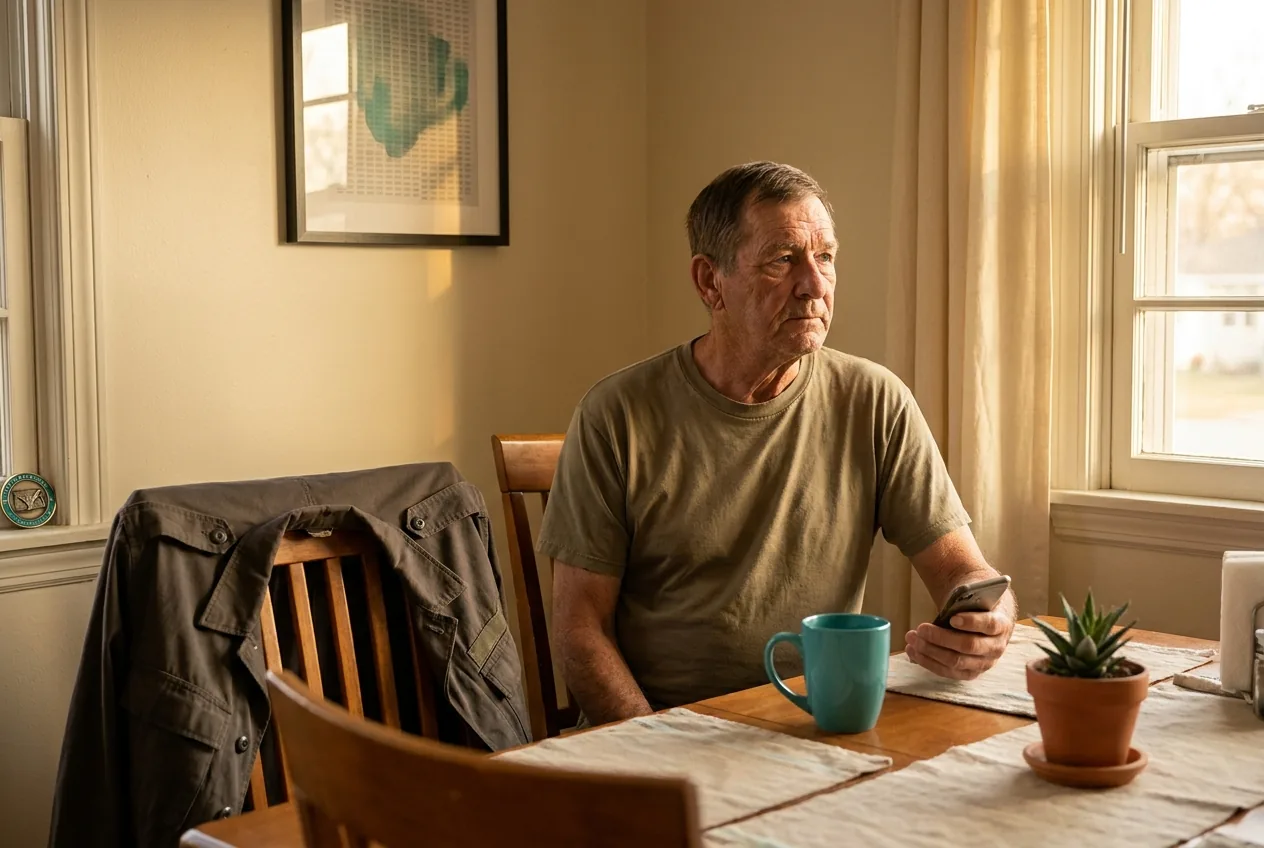

From my practice · Shariq Refai, MD, MBA, FAPA
What I've seen with veterans navigating these systems
The veterans I've worked with who navigated Nebraska's system well usually had one habit: they treated the three paths (VA, base, civilian) as an OR, not an XOR. They enrolled with the VA even if they weren't ready to use it, so the option was open. They knew where their nearest Vet Center was even if they hadn't been. And they knew that a civilian telepsychiatry visit didn't disqualify them from later VA care.
The veterans who struggled were the ones who assumed one system was their only option, hit a wait or a bureaucracy wall, and then went untreated. If a system isn't giving you what you need in a reasonable time, use another. That's not disloyalty, that's using the resources built for you the way they were meant to be used.
The short answer
If you're a Nebraska veteran, the fastest way to get mental health care depends on your enrollment status, your service era, and where you live. Enrolled VA veterans in the Omaha or Lincoln areas usually have the best in-person access; rural veterans and OEF/OIF-era veterans have specific programs designed for them; active-duty and dependents at Offutt have on-base and TRICARE options; and any veteran can use civilian care, including cash-pay or commercial insurance, whether or not they're VA-enrolled.
The Veterans Crisis Line (dial 988 and press 1, or text 838255) is available 24/7 for any veteran, current service member, family member, or friend, regardless of enrollment status. It routes to a nearby VA crisis center when possible.
The VA Nebraska-Western Iowa Health Care System
Nebraska's VA system serves veterans from three main medical centers plus a network of community-based outpatient clinics (CBOCs):
Enrolling and getting seen
To use VA mental health care in Nebraska, you first need to be enrolled. Any veteran who served on active duty and has an other-than-dishonorable discharge is potentially eligible; specific service-connected conditions, low income, or Priority Group placement may make enrollment automatic. Enrollment isn't the same as getting an appointment; it's the gate that opens the door.
To enroll: apply online at va.gov/health-care/apply, call 1-877-222-8387, or walk into the Omaha VA and start the process. Have your DD-214 available. Enrollment usually processes within a few days to a couple of weeks.
Once enrolled, request a mental health appointment through your primary care team, through the Omaha or Grand Island VA behavioral health intake, or through VA Video Connect. The Same Day Mental Health service is available for veterans who need to be seen urgently: walk-ins during business hours, or call your VA facility's mental health line.
PTSD, MST, and specialty programs
The VA has invested heavily in evidence-based PTSD and MST (military sexual trauma) care, which is often better resourced than what a civilian community psychiatrist can offer. Nebraska's PTSD Clinical Team at the Omaha VA provides cognitive processing therapy (CPT), prolonged exposure (PE), and EMDR by clinicians specifically trained in these evidence-based approaches.
For MST-related care, the VA provides free treatment regardless of eligibility for other benefits, and it can be delivered by a same-gender provider on request. Vet Centers (see below) also provide confidential MST-related counseling.
For OEF/OIF/OND-era veterans specifically, transition programs and post-deployment mental health services are built around this cohort's needs. Ask about them by name when you call intake.
Vet Centers: an underused option
Vet Centers are a separate VA program from the medical centers. They provide free, confidential counseling for combat veterans and their families, and they're specifically not part of the medical record shared with the rest of VA care (a real privacy consideration for some veterans, especially active-duty personnel or those in security-clearance-relevant jobs).
Nebraska has Vet Centers in Omaha and Lincoln. They offer individual counseling, group therapy (including combat-focused groups), MST counseling, and bereavement counseling for surviving family members. Vet Centers accept veterans regardless of discharge status in some categories, and they don't require full VA enrollment.
For veterans who want counseling but not a psychiatric medication path, or who want confidentiality outside the main VA system, the Vet Center is often the fastest and most appropriate stop.
Offutt Air Force Base: active-duty and dependents
Active-duty personnel and dependents at Offutt AFB (Bellevue) have on-base mental health services through the 55th Medical Group. That includes psychiatric evaluation, medication management, therapy, and specialty services. Getting seen is generally quick because the base is direct-access for active-duty; commanders can also refer directly.
TRICARE-East covers dependents and can be used off-base with in-network civilian providers. This matters because on-base capacity is often stretched, and many dependents prefer to go off-base for privacy reasons.
For active-duty personnel specifically, be aware of the privacy vs. career-impact tension. Not every mental health encounter is reportable to a security clearance, but some conditions and treatments are. If confidentiality is critical to your role, ask specifically about limited-privileged communication or use a Vet Center for combat-related counseling (which is confidential from the chain of command).
Civilian and cash-pay options for veterans
Any Nebraska veteran can also use civilian mental health care, either through TRICARE (for eligible dependents), commercial insurance, or cash-pay. Reasons veterans choose civilian:
Crisis and emergency
Veterans Crisis Line: call 988 and press 1, or text 838255, or chat at veteranscrisisline.net. 24/7, staffed by responders trained in military and veteran experiences. Free and confidential regardless of enrollment. This is the highest-priority number to know.
Omaha VA emergency: the Omaha VA has 24-hour psychiatric emergency capability.
Civilian emergency: CHI Health Lasting Hope Recovery Center in Omaha operates a 24-hour psychiatric emergency department. Bryan Behavioral Health in Lincoln accepts emergency evaluations.
Nebraska Family Helpline (1-888-866-8660): 24/7, can triage and coordinate crisis response for anyone in Nebraska including veterans and dependents.
If someone is in immediate danger, call 911.
How shrinkMD fits (and when it doesn't)
shrinkMD is one of the cash-pay civilian telepsychiatry options for Nebraska veterans. Adults 18 and up, licensed statewide, no controlled substances. Good fit if you want quick access without going through VA intake, if privacy from military or VA records matters for career reasons, or if you're a dependent whose TRICARE coverage doesn't include the provider you want.
Not the right fit if you need service-connected disability care (VA is the correct place), MST-specific specialty programs (VA Vet Centers), PTSD-focused evidence-based protocols like CPT or PE (VA PTSD Clinical Team in Omaha is highest-quality), or if you need stimulants or benzodiazepines (we don't prescribe controlled substances).
See the Nebraska care page, the veterans mental health page, and the fuller landscape in Nebraska's mental health provider shortage: what patients can actually do.
Mental health shortage data
Nebraska's mental health shortage, county by county
88 of Nebraska's 93 counties, home to 56% of residents, sit entirely inside a federally designated mental health shortage area. Only Cass, Dodge, Douglas, Sarpy, and Washington counties, in and around Omaha, don't.
Highest-scoring active designations (out of 25):
- Region 1 MH Catchment Area: score 19
- Catchment Area 4: score 17
- Mental Health Catchment Area 3: score 12
See every Nebraska county on the shortage map · Download the data
Source: HRSA mental health shortage designations, checked September 28, 2026; 2020 Census.
Key takeaways
Five things to remember
- Nebraska veterans have three parallel systems: VA (Nebraska-Western Iowa Health Care System), active-duty (Offutt AFB), and civilian care. Most veterans benefit from knowing all three.
- The Veterans Crisis Line (988 then press 1, or text 838255) is 24/7 and available regardless of enrollment status.
- VA has evidence-based PTSD and MST specialty programs that are often stronger than civilian community options; the VA PTSD Clinical Team at the Omaha VA is a specific resource to know.
- Vet Centers (Omaha, Lincoln) provide free, confidential counseling separate from the main VA medical record, useful for privacy-sensitive situations.
- Civilian care (telepsychiatry, private practices, cash-pay) is a legitimate parallel path when VA waits are long, privacy matters, or you want a specialty the VA doesn't offer locally.
Go deeper across The Shrink Network
You are here: shrinkMD, the clinical care layer of The Shrink Network.
Each site in the network has one job. No matter where you enter, we help you find the next step that makes sense.
Want to understand more first?
- Shrinkopedia: Post-traumatic stress disorder (encyclopedia)
- AnxietyResource: PTSD: how it shows up and what helps
- Shrinkiatry: Nebraska psychiatric care programs
These sites and shrinkMD are part of The Shrink Network, founded by Shariq Refai, MD.
Keep exploring
Keep reading, or take the next step
Frequently asked questions
Good questions, clear answers
How do I enroll in VA health care in Nebraska?
Apply online at va.gov/health-care/apply, call 1-877-222-8387, or walk into the Omaha VA. Have your DD-214. Enrollment usually takes days to a couple of weeks.
Is VA mental health care free?
For most eligible veterans, yes or very low cost. Priority Group and service-connection status determine specifics. MST-related care is free regardless of other eligibility.
What's the difference between a Vet Center and the VA Medical Center?
Vet Centers are readjustment counseling for combat veterans and their families. They're confidential, don't require full VA enrollment, and their records aren't automatically shared with VA medical care. VA Medical Centers offer comprehensive medical and psychiatric care but are more integrated with your VA medical record.
Can dependents at Offutt AFB use civilian mental health?
Yes, through TRICARE (which has in-network civilian providers) or through commercial insurance / cash-pay if you prefer. Many Offutt dependents specifically choose civilian care for privacy reasons.
What about MISSION Act community care?
If the VA can't offer timely care, enrolled veterans may be eligible to be seen by a non-VA provider at VA expense. Your VA team determines eligibility. This is how many rural Nebraska veterans get seen when driving to a VA facility isn't practical.
Will seeking mental health care hurt my security clearance?
Not automatically. SF-86 explicitly excludes counseling related to combat service, family/grief counseling, or non-court-ordered mental health care from mandatory disclosure. Substance use disorder treatment and hospitalization are more likely to require disclosure. When in doubt, ask a security officer or JAG.
Can shrinkMD prescribe medications the VA prescribes?
For non-controlled psychiatric medications (SSRIs, SNRIs, mood stabilizers, non-controlled sleep options, atomoxetine and other non-controlled ADHD options), yes. shrinkMD doesn't prescribe controlled substances (no stimulants, no benzodiazepines). If your VA regimen includes controlled substances, the VA or another controlled-substance-prescribing provider is the correct continuity.
About the author
Shariq Refai, MD, MBA, FAPA
I'm a board certified psychiatrist and the founder of shrinkMD, a telepsychiatry platform built around access, continuity, and clinical rigor. My work focuses on helping people understand their mental health clearly and thoughtfully, without rushing to conclusions or shortcuts. I have clinical experience across a range of settings, including work with high-performing individuals and professional athletes, and I remain committed to care that's careful, individualized, and grounded in sound clinical judgment. shrinkMD provides psychiatric care across multiple licensed states in the US, with an emphasis on responsible telepsychiatry and long-term continuity.
Questions like these deserve a real evaluation
shrinkMD isn't seeing patients yet and hasn't set an opening date. Join the waitlist and we'll email you when booking opens in your state.
Join Our Waiting List