Choosing Care · 12 min read
Farmer mental health in Nebraska: honest signs, real help
Nebraska agriculture runs on people who don't complain, don't quit, and don't wait for someone else to fix a problem. Those are strengths. They're also the exact reasons mental health care is harder to reach in farm country than almost anywhere else. Rates of depression and suicide among U.S. farmers run above the national average, and access to a psychiatrist can mean a two-hour drive to Omaha or Lincoln. Here's what the honest signs look like, why the barriers are what they are, and the care that actually reaches you where you live.
Written under the clinical direction of Shariq Refai, MD, MBA, FAPA, board certified psychiatrist · Last updated October 16, 2026 · Editorial policy
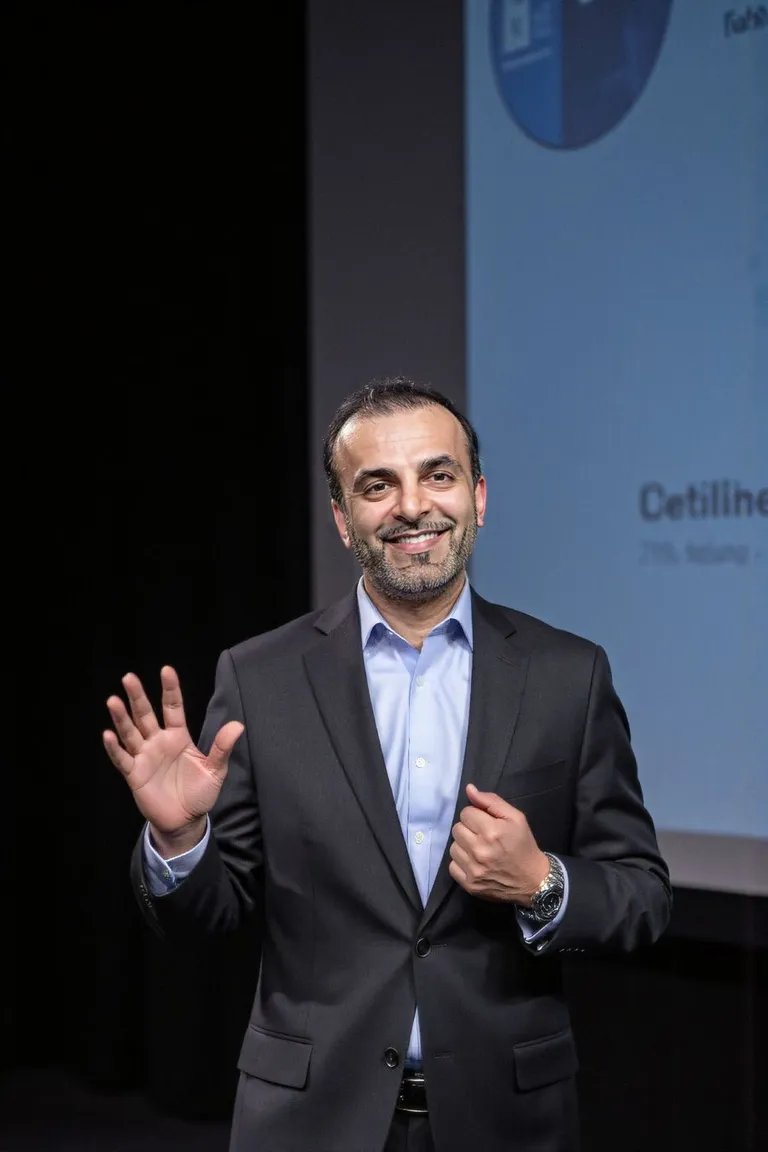
From my practice · Shariq Refai, MD, MBA, FAPA
What I've seen in farm and ranch families
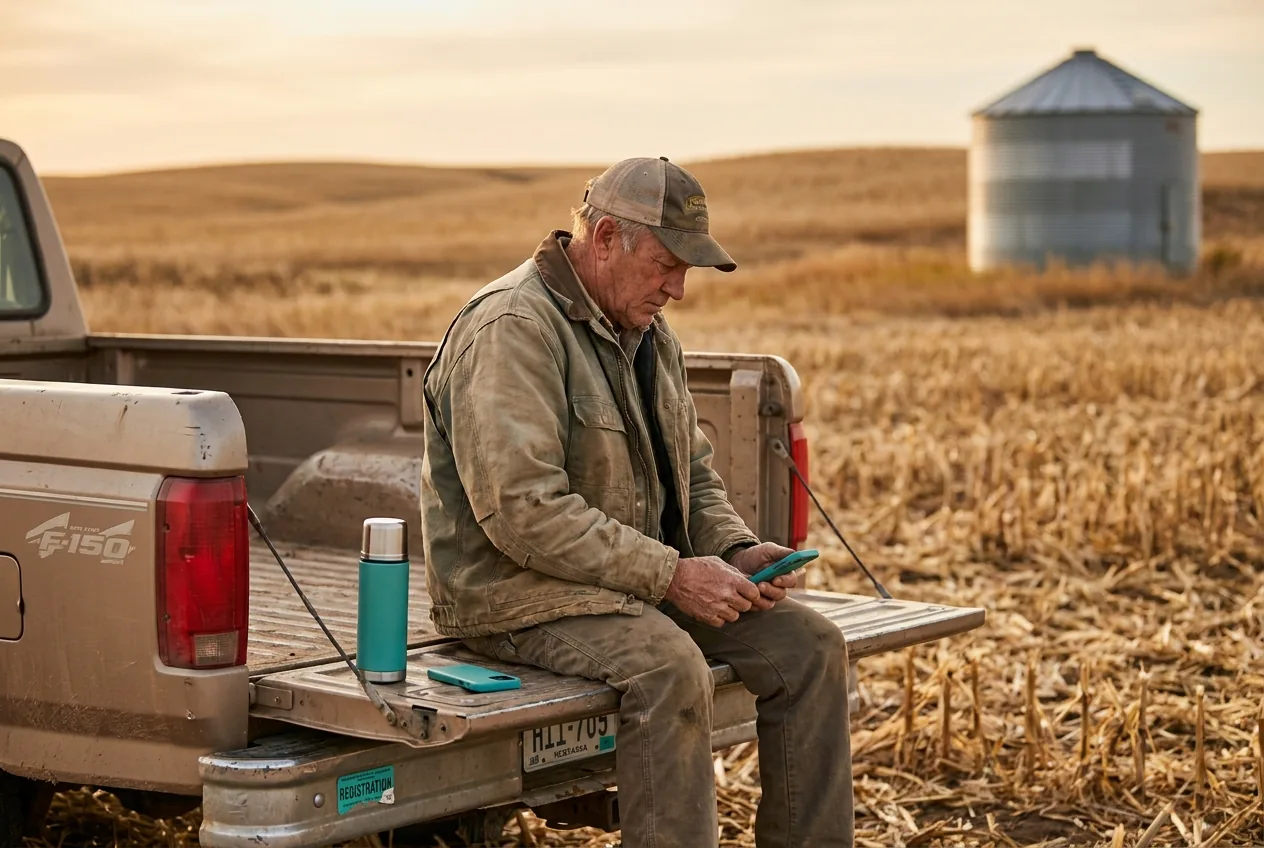
The farmers I've evaluated over the years share a specific pattern. They come in only when a spouse pushes hard, or when something scary has already happened. And when they finally sit down, they don't describe sadness. They describe not sleeping, snapping at people they love, and losing the pride they used to feel doing the work. That's depression, and it responds to treatment as reliably in a Nebraska farm operator as it does in anyone else.
The other pattern is a real willingness, once trust is there, to do the work. Farmers keep track of everything: yields, rainfall, cattle weights, machinery hours. When I ask them to track sleep and mood on paper for a few weeks, they do it, and the data we get is usually better than what I get from patients in cities. The problem isn't willingness. The problem is getting in the door. That's why telepsychiatry matters here more than almost anywhere else.
The short answer
Farming is one of the hardest jobs in the country on mental health, and Nebraska has more farmers per capita than most states. Long hours, unpredictable income, drought and flood cycles, isolation, and a culture that treats vulnerability as weakness combine into a set of conditions researchers see reflected in the numbers: depression, anxiety, and suicide rates that outpace the national average.
The good news is that the two hardest barriers to care in farm country, distance and stigma, both have real workarounds. Telepsychiatry removes the two-hour drive to a metro area. Anonymous crisis and support lines built for Nebraska agriculture remove the fear of being seen walking into a mental health clinic in a small town where everyone knows your truck.
What the data actually says
The CDC's occupational suicide data has consistently ranked agriculture, forestry, and fishing near the top of U.S. industries for suicide mortality. Studies of Midwestern farmers have found depression prevalence in the range of 15 to 20 percent, notably above the general adult rate, and anxiety prevalence in a similar range. Financial strain, chronic pain, and social isolation are the mechanisms researchers point to most consistently.
Nebraska specifically has been dealing with weather volatility (blizzards, drought, and the historic 2019 flooding), commodity price swings, and a slow decline in the number of working farms. Any one of those is a stressor. Together, they create a background load that most workers in other industries don't carry.
None of that makes farming a psychiatric diagnosis. It does mean that being a Nebraska farmer or rancher is a real-world risk factor for depression and anxiety, and that treating those conditions early works the same way it works for anyone else.
What the signs actually look like in farm country
The stereotype of depression is sadness and crying. That isn't usually what shows up in a Nebraska farm operator. What shows up is a set of quieter changes that get chalked up to being tired or busy:
Sleep that doesn't restore. Waking at 3 AM with the mind racing about markets, weather, or the machinery you couldn't fix. Falling asleep in the tractor. Weekends spent recovering that don't actually recover.
Irritability that's out of proportion. Snapping at a spouse or a hired hand over something small. Impatience that surprises even you. Anger that shows up before sadness ever does.
Withdrawal from the things that used to help. Skipping church, the coffee shop, the co-op board meeting. Not because you don't care, but because it takes too much energy to be around people.
Numbness or a flat, going-through-the-motions feeling. The pride you used to feel walking a field is quieter. Small wins don't land. That's often the honest core of depression in farm country: not sadness, but a slow flattening.
Why help is hard to reach
Distance is the first barrier. Nebraska has one of the widest psychiatrist deserts in the country. Regions 3 (central), 4 (northeast), and 6 (metro Omaha) each have very different provider densities. Outside of the Omaha and Lincoln metros, most rural counties are federally designated mental health provider shortage areas, and the nearest psychiatrist can be well over an hour away.
Stigma is the second, and it's underrated. In a small town where you're known by your truck and your last name, the fear of being seen walking into a mental health clinic is real. So is the fear that a diagnosis could affect a Farm Credit relationship, a life insurance policy, or how a bank looks at your operating loan. Those fears are usually larger than the reality, but they're rational to have, and they keep people out of care.
Time is the third. During planting, harvest, or calving, there's no such thing as a spare weekday morning. Scheduling a 90-minute round trip plus a 45-minute appointment during those months usually doesn't happen. That's why care that comes to you, delivered on nights or weekends, changes the actual math.
What actually helps
Three tools cover most of what people in Nebraska agriculture actually need:
When medication is the honest answer
Farmers I've evaluated often push back on medication for the same reasons other high-agency people do: they don't want to feel dependent, they worry about becoming someone else, they've seen a neighbor's bad experience, or they think they should be able to think their way out. All of that is understandable. It isn't a reason to skip a proper evaluation.
The truth is that first-line antidepressants for depression and anxiety (SSRIs like sertraline and escitalopram, or SNRIs like venlafaxine and duloxetine) are non-controlled, non-habit-forming, and, when they work, restore your baseline energy and clarity rather than dulling it. They typically take four to six weeks for the full effect. They aren't happy pills. They're a tool to bring an underslept, overloaded system back to where you can actually do the work.
shrinkMD doesn't prescribe controlled substances (no stimulants, no benzodiazepines), which is often reassuring for farmers and ranchers who don't want anything they'd have to worry about around heavy equipment or long drives. See how medication management works here for the full picture.
How to actually start
If you're the operator or a family member, one call is enough to start. The Nebraska Rural Response Hotline (1-800-464-0258) is the highest-leverage first call because it's built for you. If cost is a barrier, ask about the voucher program.
If you want ongoing medication management or a full psychiatric evaluation and you don't have a psychiatrist within reach, telepsychiatry is the shortest path from where you are to a treatment plan. See shrinkMD's Nebraska page, the depression page, and the anxiety page. For the bigger picture on why access is what it is, read Nebraska's mental health provider shortage: what patients can actually do.
And if you're in crisis right now or worried about a family member, call or text 988. It's answered around the clock and it's confidential. Farming through it isn't a plan.
Mental health shortage data
Nebraska's mental health shortage, county by county
88 of Nebraska's 93 counties, home to 56% of residents, sit entirely inside a federally designated mental health shortage area. Only Cass, Dodge, Douglas, Sarpy, and Washington counties, in and around Omaha, don't.
Highest-scoring active designations (out of 25):
- Region 1 MH Catchment Area: score 19
- Catchment Area 4: score 17
- Mental Health Catchment Area 3: score 12
See every Nebraska county on the shortage map · Download the data
Source: HRSA mental health shortage designations, checked September 28, 2026; 2020 Census.
Key takeaways
Five things to remember
- Agriculture ranks among the highest-suicide U.S. industries, and Midwestern farmer depression rates run 15 to 20 percent, meaningfully above the general adult rate.
- In farm country, depression usually shows up as sleep changes, irritability, and withdrawal, not sadness. Missing those signs is why care starts late.
- The three real barriers are distance (psychiatrist deserts across rural Nebraska), stigma (small-town visibility), and time (no spare weekdays during planting or harvest).
- Nebraska Rural Response Hotline (1-800-464-0258), Nebraska Family Helpline (1-888-866-8660), and 988 are all built for exactly this problem and are free and confidential.
- Telepsychiatry removes the distance barrier and preserves privacy, and non-controlled antidepressants can restore functioning without introducing anything you'd have to worry about around equipment or long drives.
Go deeper across The Shrink Network
You are here: shrinkMD, the clinical care layer of The Shrink Network.
Each site in the network has one job. No matter where you enter, we help you find the next step that makes sense.
Want to understand more first?
- AnxietyResearch: Nebraska's psychiatrist desert
- Shrinkiatry: Rural and telepsychiatry access programs
- DepressionResource: Depression resources in Nebraska
These sites and shrinkMD are part of The Shrink Network, founded by Shariq Refai, MD.
Keep exploring
Keep reading, or take the next step
Frequently asked questions
Good questions, clear answers
Are farmers really more depressed than other workers?
The evidence points that way. Multiple studies of Midwestern farmers have found depression prevalence around 15 to 20 percent, and the CDC's occupational suicide data has consistently ranked agriculture near the top. That's an average across a large population; individual risk depends on financial pressure, chronic pain, isolation, and family history.
What if I just have a hard year? Isn't that normal?
One hard season is normal and usually lifts. What isn't normal is symptoms that persist for weeks after the stressor eases: sleep still off, irritability still high, joy still flat once the crop's in or the storm's passed. Two weeks of persistent symptoms is the DSM threshold, and it's a reasonable line to use.
Will my insurance find out if I see a psychiatrist?
If you use insurance, the visit is documented in a claim, which becomes part of your medical record. Cash-pay psychiatry avoids that entirely: no claim submitted, no insurer notified, no record shared with anyone unless you authorize it. That's part of why some patients specifically choose out-of-network practices.
Can I do a psychiatric visit from my truck or tractor?
You can do it from a parked vehicle, phone or laptop, as long as you're stopped and in a state where your clinician is licensed. Many farm patients specifically use the truck for privacy from the house. Never do a visit while operating equipment.
Does shrinkMD prescribe anything I'd have to worry about around machinery?
No. shrinkMD doesn't prescribe controlled substances at all: no stimulants, no benzodiazepines. First-line antidepressants (SSRIs, SNRIs, bupropion, mirtazapine) and non-controlled sleep and mood options are what's on the menu.
What about my family? Is there help for a spouse or teenager?
Yes. The Nebraska Family Helpline (1-888-866-8660) can triage adult and youth mental health calls. Farm Aid's hotline covers the whole family. For teenagers specifically, the state's Boys Town National Hotline (1-800-448-3000) is a resource. shrinkMD sees adults 18 and older.
How fast can I actually be seen?
Through telepsychiatry, most Nebraska patients can schedule a full evaluation within days to a couple of weeks, depending on clinician availability. That's a real difference from the months-long wait for many in-person psychiatry appointments in rural Nebraska.
Sources
Sources and further reading
- Nebraska Rural Response Hotline (Interchurch Ministries of Nebraska)
- Nebraska Family Helpline (Nebraska DHHS)
- CDC MMWR: Suicide rates by occupation, United States
- NIMH: Major Depression statistics
- 988 Suicide and Crisis Lifeline
- Farm Aid Hotline
- Rudolphi JM, Berg RL, Parsaik A. Depression, anxiety and stress among young farmers and ranchers: a pilot study. Community Ment Health J (2020)
- National Rural Health Association: Rural mental and behavioral health policy brief
About the author
Shariq Refai, MD, MBA, FAPA
I'm a board certified psychiatrist and the founder of shrinkMD, a telepsychiatry platform built around access, continuity, and clinical rigor. My work focuses on helping people understand their mental health clearly and thoughtfully, without rushing to conclusions or shortcuts. I have clinical experience across a range of settings, including work with high-performing individuals and professional athletes, and I remain committed to care that's careful, individualized, and grounded in sound clinical judgment. shrinkMD provides psychiatric care across multiple licensed states in the US, with an emphasis on responsible telepsychiatry and long-term continuity.
Questions like these deserve a real evaluation
shrinkMD is opening first in Maine and Nebraska. Join the waitlist and we'll email you when booking opens in your state.
Join Our Waiting List