Choosing Care · 10 min read
Why first responders put off mental health care, and what makes it easier
First responders face higher rates of PTSD, depression, and suicide risk than the general population, and they're among the most likely to put off care. The reasons are specific to the work: a culture built on toughness, a real fear of being pulled off duty, worry that anything they say gets back to the department, and schedules that don't fit a clinic's hours. Care gets easier when it's confidential, flexible, and delivered by someone who understands the job.
Written under the clinical direction of Shariq Refai, MD, MBA, FAPA, board certified psychiatrist · Last updated October 21, 2026 · Editorial policy

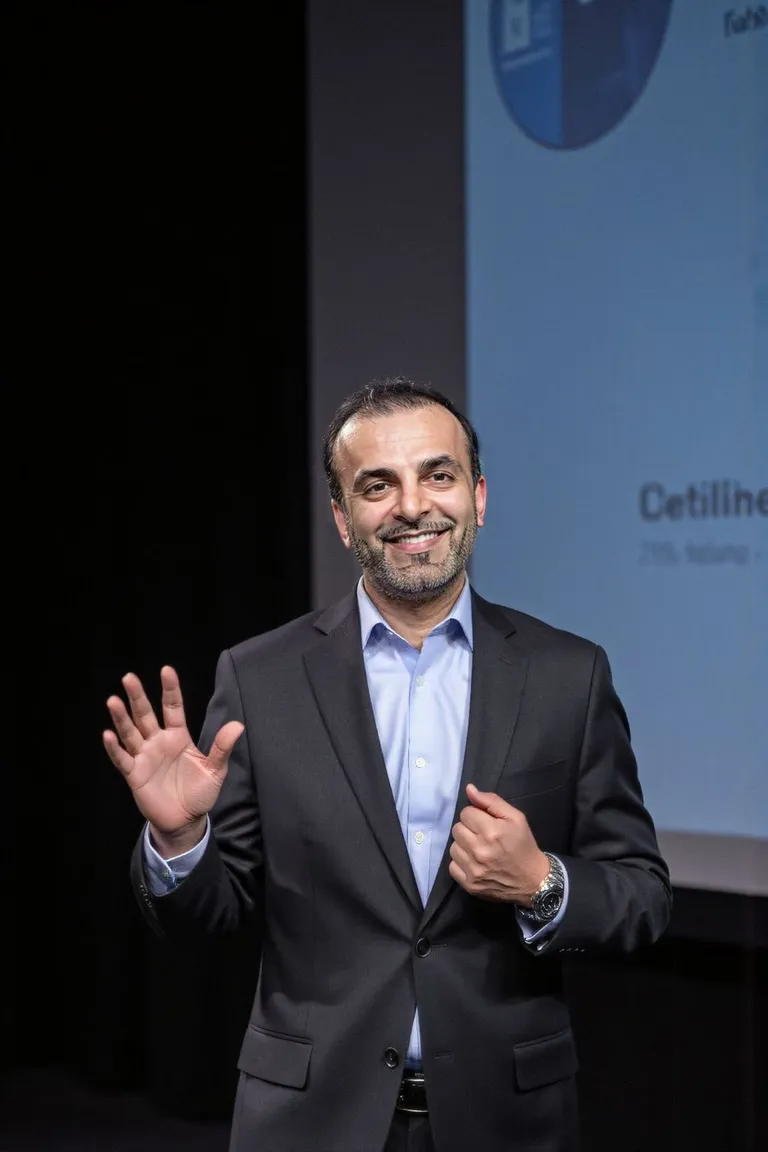
From my practice · Shariq Refai, MD, MBA, FAPA
Why I keep first responder care off the record
The single biggest thing I can offer a first responder is a door that doesn't open onto their department. Once someone believes the care is genuinely private and won't cost them their assignment, the rest gets a lot easier.
I've seen people carry ten years of calls before they trusted that. The trauma of the work is treatable. The barrier is almost always the fear of what getting help will cost them, and that fear is usually more solvable than they think.
The short answer
The people society calls in a crisis are often the last to call for help themselves. First responders, police, firefighters, paramedics, and dispatchers, carry a heavier load of trauma than almost any other line of work, and a set of barriers that make reaching out unusually hard.
The load is real and so are the barriers. Both can be addressed, and the fixes are concrete.
The risk is real
This isn't about ordinary stress. First responders are exposed to repeated trauma, and they show elevated rates of post-traumatic stress, depression, and substance use compared with the general population, along with heightened suicide risk. Cumulative exposure, the hundredth bad call on top of the ninety-nine before it, takes a toll that willpower doesn't erase.
Naming this as an occupational hazard, not a personal weakness, is the first honest step.
Why they put it off
The barriers are specific. A culture of toughness, where admitting a struggle can feel like letting the team down. Fear of fitness-for-duty consequences, that disclosing a problem means losing the badge, the truck, or the assignment. Confidentiality worry, that anything shared will circulate through a tight-knit department. Stigma, still heavy in these fields. And schedules, with shift work and overnight rotations that don't match a nine-to-five clinic.
Any one of these delays care. Together they can keep someone suffering for years while they keep showing up for everyone else.
The confidentiality question
The fear that care will get back to the department is the one that stops the most people, and it has a clean solution: get care outside the department. A clinician with no tie to your agency, seen privately, isn't reporting to your chief. Telepsychiatry from home, paid cash so it's off an insurance claim, keeps the circle to you and your clinician.
Routine treatment for PTSD, depression, or anxiety is confidential care, separate from any formal fitness-for-duty process ordered by an employer. Knowing the difference matters, because it means seeking help on your own is private in a way people often assume it can't be.
What makes it easier
A few things lower the bar meaningfully. Flexible scheduling that fits shift work, including evenings, so care doesn't require burning leave. Telehealth, so there's no clinic waiting room where you might be seen. And a clinician who understands the culture and the exposures, so you're not spending the first three sessions explaining what the job even is.
When care is private, flexible, and informed, the reasons to put it off shrink fast.
Peer support and professional care together
Peer support programs have done real good in these fields, because hearing it from someone who's run the same calls carries weight. But peer support isn't treatment for PTSD or depression, and it works best paired with professional care, not as a replacement.
Think of it as two layers: peers who get it, and a clinician who can actually treat what's there. The strongest recovery usually uses both.
How shrinkMD serves first responders
shrinkMD provides private telepsychiatry by secure video, outside any department, with scheduling built around shift work and the option to pay cash so care stays off an insurance claim. Care is confidential and separate from any employer process.
See our first responders page, and you can start care when you're ready. If you're in crisis, call or text 988, and the Safe Call Now and responder-specific lines exist for exactly these situations.
Key takeaways
Five things to remember
- First responders have elevated rates of PTSD, depression, substance use, and suicide risk from repeated trauma exposure.
- They delay care due to a toughness culture, fear of losing duty status, confidentiality worries, stigma, and shift schedules.
- Confidential care outside the department, paid cash if you want, is separate from any employer fitness-for-duty process.
- Peer support helps but isn't treatment; it works best paired with professional care.
Go deeper across The Shrink Network
You are here: shrinkMD, the clinical care layer of The Shrink Network.
Each site in the network has one job. No matter where you enter, we help you find the next step that makes sense.
Want to understand more first?
- AnxietyResource: PTSD: how it shows up and what helps
- ShrinkDaily: Hypervigilance
- Shrinkopedia: Acute stress disorder (encyclopedia)
These sites and shrinkMD are part of The Shrink Network, founded by Shariq Refai, MD.
Keep exploring
Keep reading, or take the next step
Frequently asked questions
Good questions, clear answers
Do first responders have higher rates of mental health problems?
Yes. Repeated trauma exposure gives first responders elevated rates of PTSD, depression, and substance use compared with the general population, along with heightened suicide risk.
Will getting mental health care affect my duty status?
Seeking treatment on your own is confidential care, separate from any formal fitness-for-duty evaluation ordered by an employer. Getting care outside your department, paid cash so it's off an insurance claim, keeps it private.
Why do first responders avoid getting help?
A culture of toughness, fear of losing the badge or assignment, worry that anything shared circulates through a tight department, stigma, and shift schedules that don't fit clinic hours all combine to delay care.
Is peer support enough for first responder mental health?
Peer support helps and carries real weight, but it isn't treatment for PTSD or depression. It works best paired with professional care from a clinician, not as a replacement.
How can first responders get confidential mental health care?
Telepsychiatry with a clinician outside your department, from home, on a schedule that fits shift work, and paid cash so it's off an insurance claim, keeps care private and separate from any employer process.
Sources
Sources and further reading
About the author
Shariq Refai, MD, MBA, FAPA
I'm a board certified psychiatrist and the founder of shrinkMD, a telepsychiatry platform built around access, continuity, and clinical rigor. My work focuses on helping people understand their mental health clearly and thoughtfully, without rushing to conclusions or shortcuts. I have clinical experience across a range of settings, including work with high-performing individuals and professional athletes, and I remain committed to care that's careful, individualized, and grounded in sound clinical judgment. shrinkMD provides psychiatric care across multiple licensed states in the US, with an emphasis on responsible telepsychiatry and long-term continuity.
Questions like these deserve a real evaluation
shrinkMD isn't seeing patients yet and hasn't set an opening date. Join the waitlist and we'll email you when booking opens in your state.
Join Our Waiting List