Choosing Care · 8 min read
How to Choose an Online Psychiatrist: A Practical Guide
Online psychiatry has blown up, and from the outside the options all look the same. They're not. The platform you pick decides who actually treats you, how they get paid, how they prescribe, and whether you get to stay with one clinician instead of a rotating cast. Let me walk you through the questions that actually matter, so you're choosing with your eyes open instead of going with whoever advertises the hardest. Descriptions of other platforms here reflect their publicly stated practices as of this posting and may change, so confirm current details with each provider.
Written under the clinical direction of Shariq Refai, MD, MBA, FAPA, board certified psychiatrist · Last updated November 5, 2026 · Editorial policy

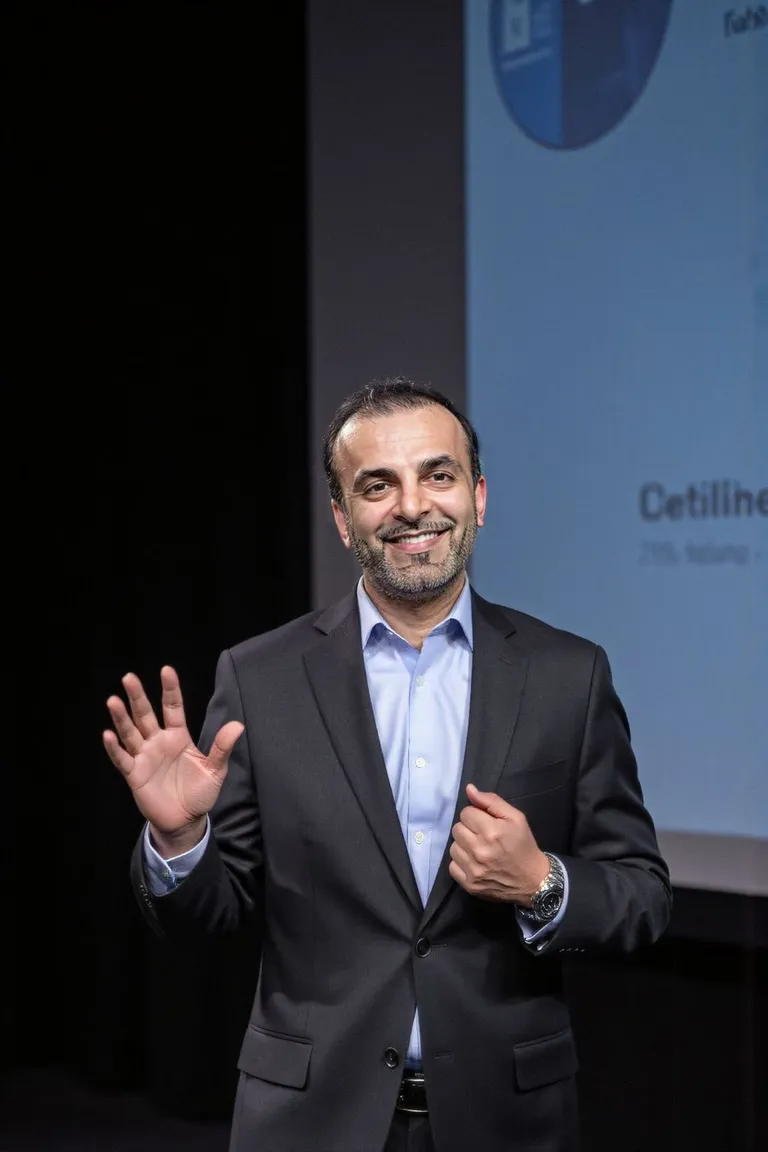
From my practice · Shariq Refai, MD, MBA, FAPA
What I'd want a family member to ask
When friends ask me how to pick an online psychiatry service, I tell them to ignore the advertising and ask four plain questions: who exactly will treat me and what are their credentials, will I see the same person over time, how do they decide whether to prescribe, and what will I actually pay. The answers sort the careful services from the volume machines very quickly.
I'm in this field and I still think the prescribing question is the one people underweight. A platform that can get you a prescription in fifteen minutes isn't doing you a favor. The care I respect is willing to go slower, to say not yet, and to keep you with one clinician who knows your story. That's unglamorous, and it's what actually works.
First, know the four business models
Most online mental health platforms fall into one of four models, and the model shapes your whole experience. Some work only through insurance; for example, Talkiatry operates on an in-network insurance model and doesn't take self-pay patients. Some charge a monthly subscription, such as Cerebral or Brightside. Some offer talk therapy only, not psychiatric medication, such as BetterHelp. And some use a straightforward per-visit model with a psychiatrist, which is how shrinkMD works.
None of these is automatically best; they suit different people. But knowing which model you're looking at tells you a lot about cost, access, and how care will feel. We break down the trade-offs in insurance versus cash-pay and subscription versus per-visit.
Ask who will actually treat you
Online platforms aren't equal on who provides care. Some, like Talkiatry and shrinkMD, are staffed by board-certified psychiatrists, who are medical doctors with specialized psychiatric training. Others rely on nurse practitioners or physician assistants, and some, like BetterHelp, provide therapy from counselors but no psychiatric medication management at all.
This matters because complex medication decisions benefit from a psychiatrist's training, and talk therapy alone can't prescribe. Before signing up, find out exactly who will evaluate and treat you, and what their credentials are. Our guide to what to look for in an online psychiatrist goes deeper.
Look closely at how they prescribe
How a platform prescribes is one of the most important and least examined questions. One widely reported example: in 2024, Cerebral entered a non-prosecution agreement with the Department of Justice and agreed to pay more than 3.6 million dollars to resolve allegations related to its prescribing of controlled substances between 2021 and 2022, according to the DOJ.
A responsible platform isn't trying to maximize prescriptions. Some, including shrinkMD and Brightside, don't prescribe controlled substances such as stimulants or benzodiazepines at all. That conservatism is a feature, not a limitation. We explain why in responsible online prescribing.
Check whether you keep one clinician
Continuity is quietly one of the strongest predictors of whether psychiatric care works, and it's exactly what many high-volume platforms struggle to provide. If you see a different prescriber every visit, no one holds the full arc of your story, and your care becomes a series of disconnected snapshots.
Ask directly: will I see the same clinician over time? A model built around continuity, where one psychiatrist follows you across visits, tends to produce better, safer care than one optimized for speed and volume. This is a core reason shrinkMD is built around per-visit continuity rather than churn.
Understand the real cost, and how you pay
Cost is more than a sticker price; it's a structure. Insurance-based care can mean low copays but limits you to in-network providers and excludes the uninsured. Subscriptions can look cheap monthly but add up and may bundle in services you don't use. Per-visit care is transparent and predictable: you pay for the visits you have.
What matters is knowing what you'll actually pay before you commit, with no surprises. shrinkMD uses a transparent, self-pay model with no insurance billing, and provides superbills if you want to seek reimbursement from your own plan. See how much online psychiatry costs for the full breakdown.
Mind privacy, and watch for red flags
Your mental health data is sensitive, and not every platform has treated it carefully. In 2023, the Federal Trade Commission announced a 7.8 million dollar settlement with BetterHelp over allegations that it shared consumers' health information with advertisers, according to the FTC. Privacy practices are worth reading before you share anything.
Beyond privacy, watch for the red flags that signal a platform optimized for growth over care: pressure to start medication fast, no named clinician, no continuity, and vague answers about credentials. We collect the warning signs in red flags in online mental health platforms. When you're ready for careful, physician-led care, that's what shrinkMD is built to provide.
Key takeaways
Five things to remember
- Online psychiatry platforms use four main models: insurance-based, subscription, therapy-only, and per-visit psychiatry, and the model shapes cost, access, and how care feels.
- Find out who actually treats you; some platforms use board-certified psychiatrists, others use other prescribers, and some offer therapy with no medication management at all.
- How a platform prescribes matters; responsible care isn't built to maximize prescriptions, and conservative prescribing is a feature, not a limitation.
- Continuity, seeing the same clinician over time, is one of the strongest predictors of whether psychiatric care actually works.
- Understand the real cost and the privacy practices before committing, and watch for red flags like fast prescribing, no continuity, and vague credentials.
Go deeper across The Shrink Network
You are here: shrinkMD, the clinical care layer of The Shrink Network.
Each site in the network has one job. No matter where you enter, we help you find the next step that makes sense.
Want to understand more first?
- Shrinkiatry: What board certification means
- AnxietyResearch: Telepsychiatry for anxiety care
- ShariqRefai.com: Digital mental health needs more than convenience
These sites and shrinkMD are part of The Shrink Network, founded by Shariq Refai, MD.
Keep exploring
Keep reading, or take the next step
Frequently asked questions
Good questions, clear answers
How do I choose the right online psychiatrist?
Start by identifying the business model (insurance, subscription, therapy-only, or per-visit psychiatry), since it shapes cost and access. Then check who actually treats you and their credentials, how conservatively the platform prescribes, whether you keep one clinician over time, what you'll really pay, and how your data is handled. Compare platforms on those points rather than on advertising, and watch for red flags like pressure to start medication quickly.
What's the difference between the main online psychiatry models?
Insurance-based platforms (for example, Talkiatry) work through in-network coverage and generally don't take self-pay patients. Subscription platforms (such as Cerebral or Brightside) charge a recurring monthly fee. Therapy-only platforms (such as BetterHelp) provide counseling but not psychiatric medication. Per-visit platforms (such as shrinkMD) charge for the visits you have, with a psychiatrist, on a transparent self-pay basis.
Does it matter whether a psychiatrist or another provider treats me?
It can. Psychiatrists are medical doctors with specialized training, which is valuable for complex diagnoses and medication decisions. Nurse practitioners and physician assistants also provide care, and therapists provide talk therapy but can't prescribe. The right fit depends on your needs, but you should always know exactly who will evaluate and treat you, and their credentials, before you start.
Why is continuity of care important?
Because psychiatric treatment is rarely one and done. Seeing the same clinician over time means someone holds the full arc of your history, notices what's changing, and adjusts the plan thoughtfully. Platforms that route you to a different prescriber each visit lose that thread, which can make care less safe and less effective. Continuity is worth asking about directly.
How can I tell if an online psychiatry platform prescribes responsibly?
Look at whether it pushes medication quickly and whether it prescribes controlled substances loosely. One documented example is Cerebral, which in 2024 agreed to a non-prosecution agreement and a payment of more than 3.6 million dollars over controlled-substance prescribing allegations, per the DOJ. Responsible platforms, including shrinkMD and Brightside, don't prescribe controlled substances such as stimulants or benzodiazepines at all.
Is my information private with online mental health platforms?
It depends on the platform, and history shows it's worth checking. In 2023 the FTC announced a 7.8 million dollar settlement with BetterHelp over allegations it shared users' health information with advertisers. Read a platform's privacy practices before sharing sensitive details, and favor services that are clear about how your data is used and protected.
Is cheaper always better?
No. A low monthly subscription or copay can hide trade-offs like no continuity, rushed visits, or a provider who isn't a psychiatrist. The goal is value: appropriate care from a qualified clinician you can stay with, at a price you understand up front. Sometimes the cheapest option costs more in the long run if it gets the treatment wrong.
Where does shrinkMD fit among these options?
shrinkMD is a physician-led, per-visit telepsychiatry practice staffed by a board-certified psychiatrist, built around continuity and responsible prescribing, with a transparent self-pay model and no insurance billing. It's designed for people who want careful, consistent psychiatric care from an actual psychiatrist rather than a high-volume subscription or therapy-only service.
Sources
Sources and further reading
About the author
Shariq Refai, MD, MBA, FAPA
I'm a board certified psychiatrist and the founder of shrinkMD, a telepsychiatry platform built around access, continuity, and clinical rigor. My work focuses on helping people understand their mental health clearly and thoughtfully, without rushing to conclusions or shortcuts. I have clinical experience across a range of settings, including work with high-performing individuals and professional athletes, and I remain committed to care that's careful, individualized, and grounded in sound clinical judgment. shrinkMD provides psychiatric care across multiple licensed states in the US, with an emphasis on responsible telepsychiatry and long-term continuity.
Questions like these deserve a real evaluation
shrinkMD isn't seeing patients yet and hasn't set an opening date. Join the waitlist and we'll email you when booking opens in your state.
Join Our Waiting List