Choosing Care · 10 min read
Why psychiatrist wait times are so long in 2026, and how to be seen sooner
The wait is long because demand for psychiatric care has outrun the supply of psychiatrists, and the way most care is paid for makes the bottleneck worse. As of late 2025, 40 percent of the US population, about 137 million people, lived in a federally designated mental health provider shortage area. New-patient waits often stretch past four weeks, and longer in rural areas. But the wait isn't fixed, and there are specific moves that shorten it.
Written under the clinical direction of Shariq Refai, MD, MBA, FAPA, board certified psychiatrist · Last updated October 7, 2026 · Editorial policy

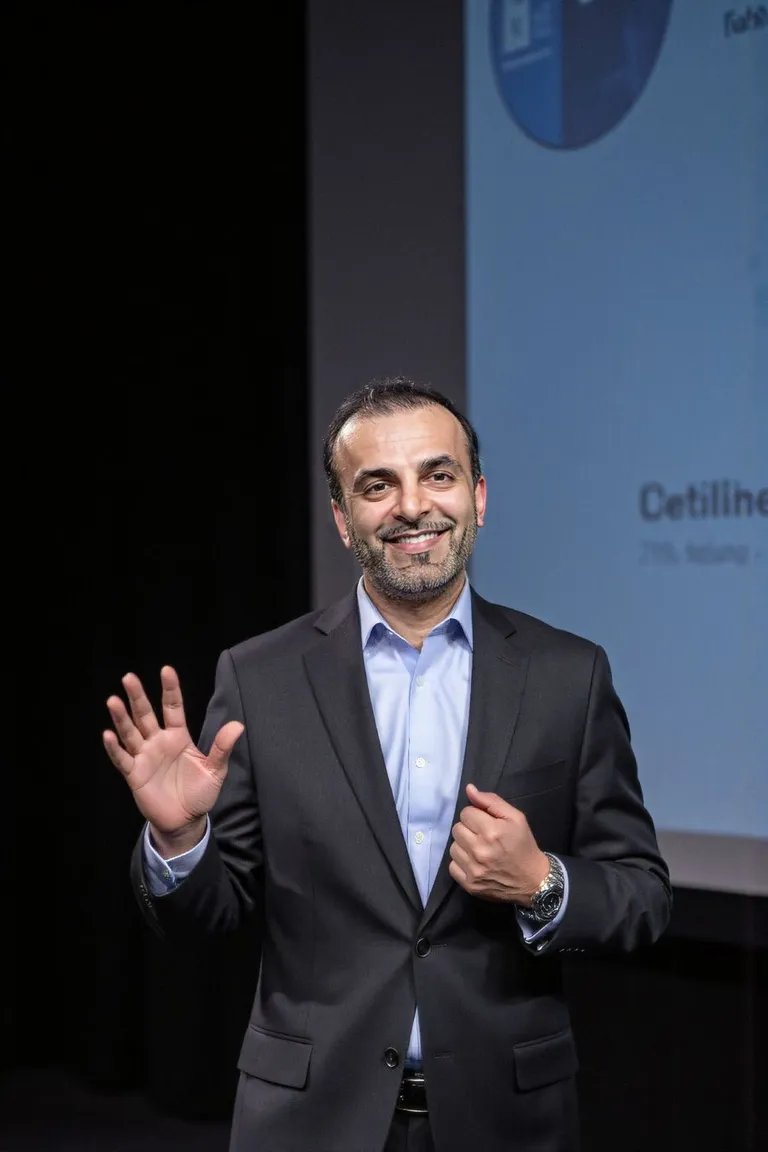
From my practice · Shariq Refai, MD, MBA, FAPA
What the wait looks like from inside the system
The hardest part of my week is hearing how long someone waited before they got to me, and how much worse things got in the meantime. The shortage is real, but a lot of the delay is structural, not inevitable.
That's why I care about the logistics, the licensing, the scheduling, the payment model. Getting someone seen in days instead of months isn't a luxury. For a lot of conditions, it changes how the whole thing goes.
The short answer
There aren't enough psychiatrists for the number of people who need one, and the system that connects the two is inefficient. Those two facts, a real shortage and a clunky payment structure, produce the wait most people run into.
Understanding why helps, because the fixes follow directly from the causes.
A shortage, in real numbers
This isn't a vague complaint. As of December 2025, about 40 percent of the US population, roughly 137 million people, lived in a mental health professional shortage area, according to federal workforce data. The threshold for a geographic shortage designation is one provider for every 30,000 people, which is a lot of patients per clinician.
The psychiatrist workforce is aging and isn't being replaced fast enough, and rural areas are hit hardest, with many counties having no psychiatrist at all. Demand, meanwhile, has climbed. More supply pressure, more demand, longer lines.
Why insurance makes the wait worse
A large share of psychiatrists don't take insurance, or take only a few plans, in part because insurance reimbursement for psychiatry is low and the paperwork is heavy. That shrinks the pool of in-network options to a fraction of the psychiatrists who actually exist.
So when you filter by your specific plan, the already-short supply gets shorter, and the ones left have the longest waits. The wait you experience is often less about how many psychiatrists exist and more about how few take your insurance.
How long the wait actually runs
Nationally, waits for a new outpatient psychiatric appointment often exceed four weeks, and stretch to months in shortage areas. Rural residents and people relying on in-network providers tend to wait the longest.
Those weeks matter, because a treatable problem left waiting tends to deepen. The point of naming the wait is to treat it as a solvable logistics problem, not an unavoidable fact.
Ways to be seen sooner
A few moves reliably shorten the wait. Telepsychiatry opens your search from your zip code to your whole state, so you're choosing among every clinician licensed where you live, not the handful nearby. Cash-pay practices often have shorter waits because they aren't limited to a narrow insurance panel. Seeing a psychiatric nurse practitioner, who can evaluate and prescribe, widens the options further. And asking to be added to a cancellation list can move you up by weeks.
For what care costs when you pay directly, see what a psychiatrist costs without insurance, so the cash-pay option is a real decision and not a mystery.
When the wait is genuinely urgent
None of this applies to a crisis. If you're thinking about harming yourself, that's an emergency, not a scheduling problem. In the US you can call or text 988 any time, and 911 or the nearest emergency room are always options.
For everything short of that, the goal is to get a real evaluation on the calendar sooner rather than letting weeks slide.
How shrinkMD approaches the wait
shrinkMD is built for timely access, with care by secure video anywhere in a state where we're licensed, currently Maine and Nebraska, and we hold time for new evaluations instead of booking months out.
You can start care when you're ready, and our how it works page walks through what to expect.
Key takeaways
Five things to remember
- About 40 percent of Americans, roughly 137 million people, live in a mental health provider shortage area.
- Many psychiatrists don't take insurance, which shrinks the in-network pool and lengthens waits.
- Telepsychiatry, cash-pay practices, psychiatric nurse practitioners, and cancellation lists all shorten the wait.
- A crisis isn't a scheduling problem; call or text 988 if you may be in danger.
Go deeper across The Shrink Network
You are here: shrinkMD, the clinical care layer of The Shrink Network.
Each site in the network has one job. No matter where you enter, we help you find the next step that makes sense.
Want to understand more first?
- AnxietyResearch: Psychiatric wait times in the United States
- Shrinkiatry: Why the psychiatrist shortage persists
- Shrinkiatry: Why getting an appointment is so hard
These sites and shrinkMD are part of The Shrink Network, founded by Shariq Refai, MD.
Keep exploring
Keep reading, or take the next step
Frequently asked questions
Good questions, clear answers
Why does it take so long to see a psychiatrist?
Demand has outrun a shrinking psychiatrist workforce, and about 40 percent of Americans live in a shortage area. Narrow insurance panels make it worse by cutting the in-network pool. New-patient waits often exceed four weeks.
How can I see a psychiatrist faster?
Use telepsychiatry to search every clinician licensed in your state, consider a cash-pay practice or a psychiatric nurse practitioner, and ask to be added to a cancellation list. These widen your options beyond the few in-network providers nearby.
Is a psychiatric nurse practitioner as good as a psychiatrist?
A psychiatric nurse practitioner can evaluate, diagnose, and prescribe, and seeing one is a legitimate way to be seen sooner. For complex cases a psychiatrist may be preferred, but for many people either works well.
Are wait times worse in rural areas?
Yes. Rural counties are more likely to have few or no psychiatrists, so waits there run longest. Telepsychiatry helps most in exactly these areas by removing the distance barrier.
What if I can't wait weeks for care?
If you're in crisis, call or text 988 or go to the nearest emergency room; that's an emergency, not a scheduling issue. For urgent but non-emergency needs, cash-pay telepsychiatry and cancellation lists are the fastest routes to an evaluation.
About the author
Shariq Refai, MD, MBA, FAPA
I'm a board certified psychiatrist and the founder of shrinkMD, a telepsychiatry platform built around access, continuity, and clinical rigor. My work focuses on helping people understand their mental health clearly and thoughtfully, without rushing to conclusions or shortcuts. I have clinical experience across a range of settings, including work with high-performing individuals and professional athletes, and I remain committed to care that's careful, individualized, and grounded in sound clinical judgment. shrinkMD provides psychiatric care across multiple licensed states in the US, with an emphasis on responsible telepsychiatry and long-term continuity.
Questions like these deserve a real evaluation
shrinkMD is opening first in Maine and Nebraska. Join the waitlist and we'll email you when booking opens in your state.
Join Our Waiting List