Choosing Care · 7 min read
Is Online Psychiatry Safe and Legitimate?
Online psychiatry is mainstream now, but the headlines about telehealth companies behaving badly have left a lot of people wondering whether it's actually safe and legit. The honest answer is that responsible online psychiatry is both, and that the trouble has come from specific business practices, not from the format itself. Here's how to tell a trustworthy service from a risky one. Descriptions of other platforms here reflect their publicly stated practices as of this posting and may change, so confirm current details with each provider.
Written under the clinical direction of Shariq Refai, MD, MBA, FAPA, board certified psychiatrist · Last updated November 17, 2026 · Editorial policy
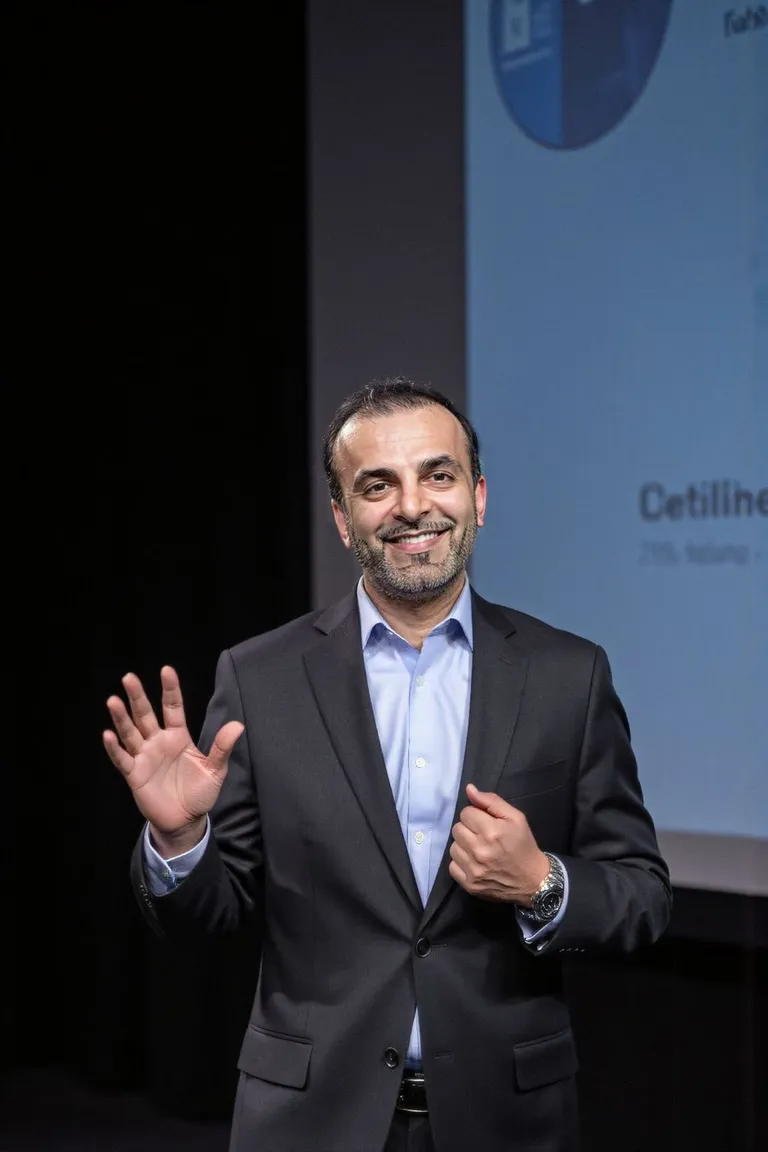
From my practice · Shariq Refai, MD, MBA, FAPA
Why I think the format was never the problem
When patients ask me whether online psychiatry is safe, I tell them the screen was never the issue. I can evaluate and treat most of what I see as well by video as in an office. What went wrong at a few well-known companies wasn't telemedicine, it was business models that rewarded speed, volume, and aggressive prescribing, and in one case the careless handling of people's most private information.
So my advice isn't to fear telehealth, it's to be a discerning consumer of it. Ask who's treating you and whether they're licensed and board certified. Ask how they decide to prescribe. Read the privacy policy. The responsible practices answer those without flinching. The format is fine. The thing to vet is the practice behind it.
Is online psychiatry legitimate care
Yes. Online psychiatry provided by a licensed clinician is real medical care, held to the same licensing and standard of care as an in-person visit. For most common adult conditions, evaluation, diagnosis, and medication management by video are considered comparable to in-person care. The format is established and widely used.
Legitimacy comes from the clinician and the practice, not the screen. A board-certified psychiatrist treating you by video is practicing medicine under the same rules they'd in an office. What varies, and what you should scrutinize, is how a particular platform operates.
Where the real risks have come from
The unsettling stories about telehealth have generally traced to business practices, not to telemedicine itself. Two are well documented. In 2023, the Federal Trade Commission announced a 7.8 million dollar settlement with BetterHelp over allegations that it shared users' sensitive health information with advertisers, per the FTC.
Separately, in 2024, Cerebral entered a non-prosecution agreement with the Department of Justice and agreed to pay more than 3.6 million dollars over allegations of improper controlled-substance prescribing between 2021 and 2022, according to the DOJ. Both are about how a company behaved, and both are avoidable signals you can check for.
How to verify a platform is safe
Start with the clinician. Confirm that whoever treats you is licensed in your state, and look up their credentials; board-certified psychiatrists are listed in public registries. A legitimate service will tell you exactly who's treating you and won't be vague about it.
Then check the practice. Does it provide continuity with one clinician, or route you to whoever is available? Does it prescribe conservatively, or push medication quickly? Is it clear about how it handles your data? Trustworthy services answer these plainly. Our piece on red flags in online mental health platforms lists the warning signs.
Privacy: the question to ask first
Mental health data is among the most sensitive information you have, and the 2023 FTC settlement with BetterHelp, described above, is a documented reason to check how a platform handles it. Before you answer intake questions about your symptoms, medications, or history, read how the service uses and shares your data, and look for clear limits on advertising and third-party sharing.
Favor platforms that are transparent about privacy and that treat your information as medical data, not marketing fuel. If a service's privacy practices are hard to find or vague, treat that as a meaningful warning.
Prescribing: safe versus aggressive
A safe platform is conservative with medication, especially controlled substances. The documented Cerebral matter, described above, involved DOJ allegations about controlled-substance prescribing. By contrast, some platforms, including shrinkMD and Brightside, don't prescribe controlled substances such as stimulants or benzodiazepines at all, which removes a whole category of risk.
If a service can get you a prescription within minutes of a first visit, that speed is a warning, not a feature. Careful evaluation takes time, and a platform that respects that's safer. We explain the reasoning in responsible online prescribing.
The bottom line
Online psychiatry is safe and legitimate when it's delivered by a licensed clinician under a responsible model. The way to protect yourself isn't to avoid telehealth, but to choose carefully: verify licensure, read privacy practices, favor continuity, and be wary of fast, aggressive prescribing.
shrinkMD is built around exactly those safeguards: a board-certified psychiatrist, continuity of care, conservative prescribing with no controlled substances, and a transparent model. You can read how it works to see how those protections show up in practice.
Key takeaways
Five things to remember
- Online psychiatry delivered by a licensed clinician is legitimate care, held to the same standards as in-person, and comparable for most common conditions.
- The risks that made news came from specific business practices, not telehealth itself: a 2023 FTC settlement with BetterHelp and a 2024 DOJ agreement with Cerebral.
- Verify that your clinician is licensed in your state and check their credentials; a trustworthy service is never vague about who treats you.
- Read a platform's privacy practices before sharing sensitive information, since mental health data has been mishandled by some services.
- Favor conservative prescribing and continuity; fast, aggressive prescribing of controlled substances is a warning sign, not a convenience.
Go deeper across The Shrink Network
You are here: shrinkMD, the clinical care layer of The Shrink Network.
Each site in the network has one job. No matter where you enter, we help you find the next step that makes sense.
Want to understand more first?
- Shrinkiatry: Telepsychiatry outcomes: the evidence
- AnxietyResearch: Telepsychiatry for anxiety care
- Shrinkiatry: Why controlled substances have extra rules
These sites and shrinkMD are part of The Shrink Network, founded by Shariq Refai, MD.
Keep exploring
Keep reading, or take the next step
Frequently asked questions
Good questions, clear answers
Is online psychiatry safe?
Yes, when it's delivered by a licensed clinician under a responsible model. For most common adult conditions, video-based evaluation and medication management are considered comparable to in-person care. The risks that have made news came from specific platforms' practices, like mishandling data or aggressive prescribing, which you can screen for by verifying licensure, checking privacy practices, and favoring conservative, continuity-based care.
Is online psychiatry legitimate, or a gimmick?
It's legitimate medicine. A licensed psychiatrist treating you by video practices under the same licensing and standard of care as in an office. Telepsychiatry is established and widely used. Legitimacy depends on the clinician and the practice, not the format, so the task is to confirm you're dealing with a properly licensed, responsible provider.
Why did BetterHelp get fined?
In 2023, the FTC announced a 7.8 million dollar settlement with BetterHelp over allegations that it shared users' sensitive health information, such as answers to mental health questions, with advertisers, despite promising to limit such disclosures. It was the first FTC settlement to require refunds for consumers whose health data was compromised. It's a reason to read any platform's privacy practices carefully.
What happened with Cerebral?
In 2024, Cerebral entered a non-prosecution agreement with the DOJ and agreed to pay more than 3.6 million dollars to resolve allegations of improper controlled-substance prescribing between 2021 and 2022, including business practices that pressured providers toward prescribing. It's a documented example of why conservative prescribing and aligned incentives matter when choosing a platform.
How do I check if an online psychiatrist is legitimate?
Confirm the clinician is licensed in your state and look up their credentials, since board-certified psychiatrists appear in public registries. Verify that the service tells you exactly who treats you, provides continuity, prescribes conservatively, and is transparent about data. Vague answers on any of these are a warning sign.
Is my data private with online psychiatry?
It should be, but it depends on the platform; the 2023 FTC settlement with BetterHelp is a documented reason to check. Before sharing symptoms or history, read how the service uses and shares your data and look for clear limits on advertising and third-party sharing. Favor services that treat your information as protected medical data rather than marketing material.
Is fast prescribing a good thing?
No. A platform that can prescribe within minutes of a first visit, especially a controlled substance, is a warning sign rather than a convenience. Careful evaluation takes time. Safer platforms are conservative with medication, and some, including shrinkMD and Brightside, don't prescribe controlled substances at all.
What makes shrinkMD a safe choice?
shrinkMD is a physician-led practice with a board-certified psychiatrist, built around continuity of care, conservative prescribing with no controlled substances, and a transparent model. Those are precisely the safeguards that the troubled telehealth cases lacked, which is why the practice is structured around them.
Sources
Sources and further reading
About the author
Shariq Refai, MD, MBA, FAPA
I'm a board certified psychiatrist and the founder of shrinkMD, a telepsychiatry platform built around access, continuity, and clinical rigor. My work focuses on helping people understand their mental health clearly and thoughtfully, without rushing to conclusions or shortcuts. I have clinical experience across a range of settings, including work with high-performing individuals and professional athletes, and I remain committed to care that's careful, individualized, and grounded in sound clinical judgment. shrinkMD provides psychiatric care across multiple licensed states in the US, with an emphasis on responsible telepsychiatry and long-term continuity.
Questions like these deserve a real evaluation
shrinkMD isn't seeing patients yet and hasn't set an opening date. Join the waitlist and we'll email you when booking opens in your state.
Join Our Waiting List