Telepsychiatry · 7 min read
Can Psychiatrists Prescribe Medication Online? How It Works and What to Expect
Yes, psychiatrists can prescribe most medications through telepsychiatry after a proper psychiatric evaluation, with the prescription sent electronically to your pharmacy. The clinical standards match in-person care exactly. This article explains what has to happen before a prescription is written, which medications can be prescribed by video, where federal rules draw lines, and where shrinkMD draws its own.
Medically reviewed by Shariq Refai, MD, MBA, FAPA, board certified psychiatrist · Last reviewed September 23, 2026 · Updated October 9, 2026 · Editorial policy

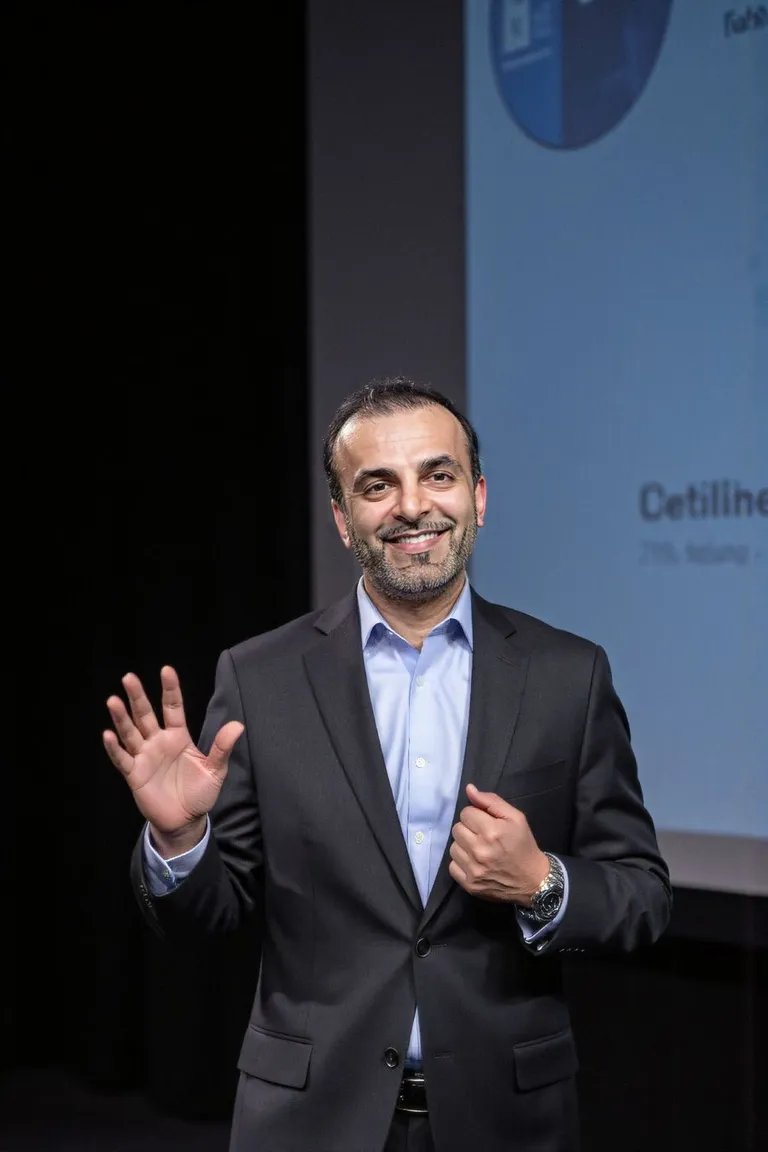
From my practice · Shariq Refai, MD, MBA, FAPA
Yes, and the rules exist for good reasons
The question I get most is whether online prescribing is somehow less legitimate. It isn't. I'm held to the same licensing, the same standard of care, and the same prescribing laws as I'd be in any office. What changes is the room, not the medicine.
Where I'm careful, and where I think every honest clinician should be, is with controlled substances and with anyone who genuinely needs a hands on exam. I'd rather tell a patient that a particular medication calls for in person monitoring than pretend the screen erases that need. Good online psychiatry knows its own limits.
Why people still ask whether online prescribing is real
The question comes up almost every week in clinical practice. Someone schedules a telepsychiatry appointment, we start talking through what they've been experiencing, and at some point they pause and ask: "Wait, can you actually prescribe medication through a video visit?" The confusion makes sense. Telehealth expanded quickly, prescribing is governed by state licensing laws and federal regulations that aren't obvious from the outside, and some people quietly worry that a virtual appointment won't be taken as seriously as an office visit.
Here's the part most people get backwards. They assume online psychiatry makes prescribing easier or faster. In reality, the opposite is usually true. Psychiatrists follow the same careful evaluation process whether the visit happens in person or through telepsychiatry. The decision rests on symptoms, history, and overall functioning, never on the format of the appointment. The setting changes. The clinical standards don't.
Once people understand that, their question usually shifts from "can medication be prescribed online?" to a more practical one: what actually has to happen during the appointment before medication is considered? That's where the real process begins.
What happens before any prescription is written
Everything starts with a psychiatric evaluation, which at shrinkMD runs 45 to 60 minutes. The clinician asks about mood, anxiety, sleep, energy, concentration, and how daily life has been affected. People expect this part to feel rushed online. Most are surprised that it feels slower and more conversational than they imagined, partly because nobody is watching a waiting room clock. Without this step, responsible prescribing simply can't happen.
The conversation then deepens into history: past mental health treatment, previous medications and whether they helped, medical conditions that could affect treatment, sleep and stress patterns, and family history. This review identifies possible diagnoses and narrows down which treatments would be safest and most effective for this particular person.
Only then does treatment planning begin, and medication is one option among several. Sometimes the recommendation is therapy, sleep changes, or watching symptoms over a few weeks. When medication does make sense, the clinician explains the reasoning, walks through benefits and side effects, and answers questions. If the patient is comfortable moving forward, the prescription goes electronically to their pharmacy. No paper script, no extra trip. The medication is simply waiting at the counter. Your first appointment walks through the whole visit.
Which medications can be prescribed through telepsychiatry
The medications themselves don't change because the visit happens online. What matters is whether the evaluation supports the treatment. In practice, the medications most often discussed in virtual visits fall into a few familiar categories. Antidepressants, including SSRIs, are the most common; they treat depression and also anxiety disorders, panic symptoms, and certain stress-related conditions, and they work gradually over several weeks.
Non-controlled anxiety medications calm the nervous system over time rather than within the hour. Mood stabilizers come up when recurring mood episodes or patterns suggesting a bipolar spectrum condition need careful, monitored treatment. And non-controlled sleep medications can help when insomnia becomes persistent and starts dragging mood and daytime functioning down with it, usually paired with real conversations about sleep habits.
All of these are ordinary, well-established psychiatric treatments. The difference with telepsychiatry is only that the evaluation, the discussion, and the follow-up care happen through a secure video connection rather than across a desk. The medications page covers the specific medications we work with.
Where shrinkMD draws the line: non-controlled medications only
This deserves to be stated plainly, because it's the question behind many of the questions. Psychiatrists in general can prescribe most medications online. shrinkMD prescribes non-controlled medications only. We don't prescribe stimulants. We don't prescribe benzodiazepines. Not in any state, not for any patient, not as an exception. If you're looking for a controlled-substance prescription, we aren't the right practice, and we'd rather you know that before you book.
Why run a psychiatric practice that way? Because the conditions we treat most, depression, anxiety, panic, insomnia, and related concerns, respond well to non-controlled medications combined with good follow-up, and because removing controlled substances removes the pressures that can distort prescribing decisions in telehealth. What we promise on the other side of that line is speed where speed is safe: every prescription we write is sent electronically to your pharmacy the day it's written, and medication management visits keep the plan moving between refills.
When online prescribing is restricted or delayed
Federal law classifies certain medications as controlled substances because they carry a higher potential for misuse or dependence, and it places extra requirements on prescribing them through telehealth. In some cases an in-person examination is required first. These rules get reviewed and updated periodically, which is one reason patients hear different answers from different practices. State licensing adds a second layer: a psychiatrist can only prescribe to patients physically located in a state where the clinician holds a license. Telepsychiatry shortens distances; it doesn't erase state lines.
Beyond the legal rules, there are clinical reasons a psychiatrist may not prescribe at the first visit. Sometimes the picture isn't clear enough yet, and symptoms overlap several possible conditions; a follow-up visit before starting medication leads to better decisions. Sometimes therapy is the better first step, as it often is for certain anxiety patterns, relationship stress, or burnout. Sometimes safety questions about drug interactions or medical conditions need more review. And sometimes a few weeks of observing how mood and sleep fluctuate tells you more than any single appointment can.
Patients are often surprised by how deliberate this is. Psychiatry isn't about writing prescriptions. It's about understanding the person in front of you and making careful decisions about what will actually help. The screen doesn't change that philosophy.
What medication management looks like after the first prescription
Starting medication is one decision. What happens afterward matters at least as much. Early follow-up visits are usually scheduled within a few weeks, because that's when the first changes tend to appear, and at shrinkMD they run 15 to 30 minutes. These conversations are where the most useful information emerges: subtle shifts in sleep, focus, energy, or emotional reactivity that tell us whether the treatment is working.
Responses vary widely from person to person. A dose that suits one patient feels too strong or too mild for another, and a medication may help certain symptoms while leaving others unchanged. Follow-up visits are where clinician and patient review all of this together and decide whether to adjust the dose, switch medications, or stay the course. Side effects get the same treatment: most people tolerate psychiatric medications well, but small changes in timing or dosage often improve tolerability, and switching is always on the table.
Over time, medication management becomes an ongoing conversation rather than a single decision. Telepsychiatry just lets that conversation happen without a commute.
When seeing an online psychiatrist makes sense
For many people, the biggest barrier to mental health care isn't willingness. It's access. In plenty of communities, psychiatrists are in short supply and waits stretch for weeks or months. Telepsychiatry connects you with a clinician without limiting the search to providers within driving distance; shrinkMD is opening first in Maine and Nebraska for adults 18 and older, with status by state on our locations page.
The same practical logic applies to people with demanding schedules, people in rural areas hours from the nearest specialist, and people who simply talk more openly about difficult emotions from a familiar room. Patients tell me they feel less pressure on a video visit than in an unfamiliar medical office, and that comfort shows up in the quality of the history they give.
One last observation from practice. Many people spend a long time wondering whether they should consider medication, and while they wonder, the anxiety stays constant and the sleep stays disrupted. The most important step isn't deciding on medication. It's having the conversation that clarifies what's actually happening. Once that conversation begins, the treatment decision usually gets much easier. If you're in crisis, don't wait for an appointment: call or text 988, call 911, or go to the nearest emergency room.
Key takeaways
Five things to remember
- Psychiatrists can prescribe most medications online after a full evaluation, with prescriptions sent electronically to your pharmacy under the same standards as office care.
- shrinkMD prescribes non-controlled medications only: no stimulants and no benzodiazepines, in any state, for any patient, with no exceptions.
- Every prescription shrinkMD writes is sent to the pharmacy the day it's written, then monitored through 15 to 30 minute follow-up visits.
- Federal controlled-substance rules and state licensing laws still govern telehealth prescribing; a clinician must be licensed where you're located.
- Medication is never automatic; therapy, sleep changes, or a period of observation are often the better first recommendation after an evaluation.
Go deeper across The Shrink Network
You are here: shrinkMD, the clinical care layer of The Shrink Network.
Each site in the network has one job. No matter where you enter, we help you find the next step that makes sense.
Want to understand more first?
- Shrinkiatry: Why controlled substances have extra rules
- Shrinkiatry: Telemedicine controlled-substance prescribing rules
- PsychiatryRx: How to get psychiatric medication management
These sites and shrinkMD are part of The Shrink Network, founded by Shariq Refai, MD.
Keep exploring
Keep reading, or take the next step
Frequently asked questions
Good questions, clear answers
Can psychiatrists prescribe medication online?
Yes, when it's clinically appropriate. A proper psychiatric evaluation comes first, and if medication becomes part of the plan, the prescription is sent electronically to your pharmacy. State licensing and federal prescribing rules still apply.
Does shrinkMD prescribe stimulants or benzodiazepines?
No. shrinkMD prescribes non-controlled medications only. We don't prescribe stimulants or benzodiazepines in any state, for any patient. Most medications for depression, anxiety, and insomnia are non-controlled.
Can I get medication at my first telepsychiatry visit?
Sometimes. If the 45 to 60 minute evaluation is complete and medication is appropriate, the prescription can be sent that day. In other cases the psychiatrist recommends further evaluation, therapy, or monitoring first.
Is it legal to prescribe psychiatric medication online?
Yes, when the psychiatrist is licensed in the state where you're located during the visit and conducts a legitimate medical evaluation before prescribing. The same rules apply whether the visit is virtual or in person.
Can telepsychiatry prescribe antidepressants?
Yes. Antidepressants, including SSRIs, are commonly prescribed through telepsychiatry after an evaluation. They treat depression, anxiety disorders, and certain stress-related conditions, and they typically work gradually over several weeks.
How fast does the prescription reach my pharmacy?
shrinkMD sends every prescription electronically the day it's written. Most patients pick it up at their usual local pharmacy, exactly as they'd after an in-person medical visit.
Will I need follow-up visits after starting medication?
Yes. Follow-up appointments, usually within a few weeks at first, monitor symptoms, catch side effects early, and guide dose adjustments. At shrinkMD these visits run 15 to 30 minutes.
Do all online psychiatric visits end with a prescription?
No. Prescribing depends on the evaluation. Many first appointments end with a recommendation for therapy, sleep or stress changes, or a follow-up visit to clarify the diagnosis before any medication is started.
How this page is reviewed and how to cite it
EducationalVerify independently: ORCID · Wikidata · NPI Registry · All shrinkMD credentials
shrinkMD. (2026). Can Psychiatrists Prescribe Medication Online? [Web page, medically reviewed by Shariq Refai, MD, MBA]. https://shrinkmd.com/can-psychiatrists-prescribe-medication-onlineSources
Sources and further reading
About the author
Shariq Refai, MD, MBA, FAPA
I'm a board certified psychiatrist and the founder of shrinkMD, a telepsychiatry platform built around access, continuity, and clinical rigor. My work focuses on helping people understand their mental health clearly and thoughtfully, without rushing to conclusions or shortcuts. I have clinical experience across a range of settings, including work with high-performing individuals and professional athletes, and I remain committed to care that's careful, individualized, and grounded in sound clinical judgment. shrinkMD provides psychiatric care across multiple licensed states in the US, with an emphasis on responsible telepsychiatry and long-term continuity.
Questions like these deserve a real evaluation
shrinkMD is opening first in Maine and Nebraska. Join the waitlist and we'll email you when booking opens in your state.
Join Our Waiting List