Psychiatry Basics · 11 min read
Neuroplasticity after 40: can an older brain still change?
Yes. The adult brain stays plastic across the whole lifespan, including well past 40, 60, and beyond. Some kinds of change come a little slower with age, and the brain gets more efficient at keeping the patterns it already has, which can make old habits feel more fixed. But the capacity to learn, adapt, and recover from anxiety or depression doesn't shut off with age.
Written under the clinical direction of Shariq Refai, MD, MBA, FAPA, board certified psychiatrist · Last updated October 16, 2026 · Editorial policy

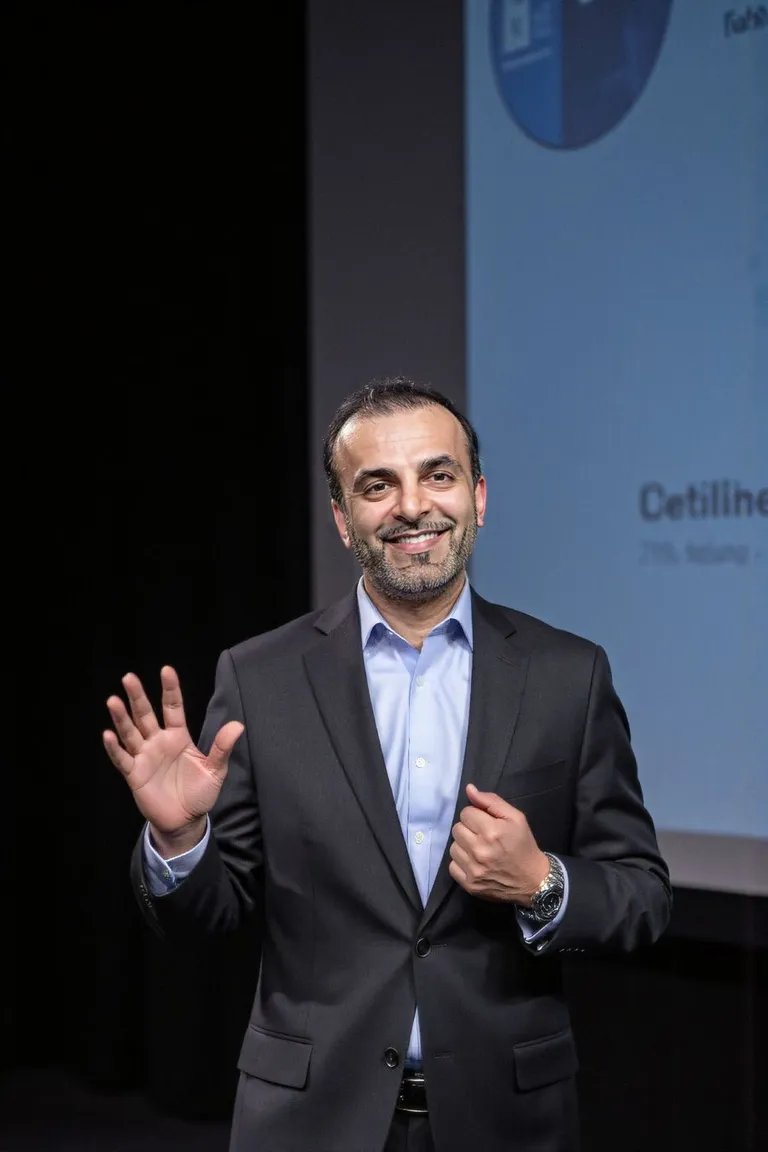
From my practice · Shariq Refai, MD, MBA, FAPA
Why I push back when older patients say it's too late
I hear 'I'm too old to change' most often from people in their fifties and sixties, and it's almost always wrong. The brain in front of me is still learning, still adapting, still capable of a different pattern.
What's usually true is that they've had the pattern longer, so it takes patience. That's a reason to start sooner, not a reason to skip it.
The myth of the fixed adult brain
For most of the last century the textbook view was that the brain hardened in early adulthood and it was slow decline from there. That view is wrong. Research over the past few decades shows the brain keeps reorganizing itself throughout life in response to what you do, learn, and practice.
This matters because a lot of people past 40 quietly assume they're too set in their ways to change. The biology doesn't back that up, and the assumption itself becomes a reason not to try.
What the research actually overturned
Two findings reshaped the picture. First, the adult brain keeps forming and pruning connections based on use, well into old age. Second, even regions once thought frozen after childhood can remap, which is how people recover skills after a stroke or learn demanding new abilities late in life.
The headline isn't that age makes no difference. It's that the door people assumed was closed was never actually shut.
What actually changes with age
Two things shift with the decades. Laying down brand-new patterns can take a bit more repetition than it did at 20. And the brain gets efficient at running the routes it already has, so long-standing habits and thought patterns feel more automatic and harder to interrupt.
Neither of those means change is off the table. They mean the approach leans harder on consistency and on interrupting old cues, rather than relying on the raw learning speed of a younger brain.
What still drives change at any age
The same levers that build plasticity earlier keep working later. Learning something genuinely new, not just repeating the familiar. Physical exercise, which supports the growth factors behind new connections. Decent sleep, when consolidation happens. And repeated, deliberate practice of the thing you want to strengthen.
Novelty matters most. Doing the crossword you've done for thirty years is comfortable but not much of a stretch. Picking up an instrument, a language, or a skill that makes you a little uncomfortable is closer to what keeps a brain adaptable, which is why staying mentally and physically active shows up in nearly every recommendation from aging-health experts.
Normal aging or something more?
Some slowing is normal with age. Taking a beat longer to recall a name or to learn a new app is ordinary, and it's not the same as memory loss that disrupts daily life. Normal aging doesn't erase who you are or how to do the things you've always done.
The signal to get evaluated is change that interferes: getting lost in familiar places, trouble with words or tasks you've long managed, or people close to you noticing a shift you don't. That deserves a medical workup, partly because some causes are treatable. Ordinary slowing, on the other hand, isn't a reason to assume the worst, and it's not a reason to stop challenging your brain.
Why this matters for treatment later in life
Depression and anxiety are treatable at 50, 65, and 80, not just at 25. The belief that an older brain can't bounce back leads people to live with treatable conditions they've decided are permanent parts of getting older.
The mechanism that let anxiety or low mood become a pattern is the same mechanism that lets treatment retrain it, and that mechanism doesn't retire. For how that runs in both directions, see how treatment changes the brain.
Starting later is still worth it
The most common regret I hear from older patients isn't that they tried and it didn't work. It's that they waited years assuming it wouldn't, and lost that time to a problem that turned out to be treatable.
If something's been off for a long time, later is still a fine time to start. You can start care at any age, and we see adults across the lifespan. Age is a detail in the plan, not a verdict on whether the plan can work.
Key takeaways
Five things to remember
- Neuroplasticity continues across the entire lifespan, not just in youth.
- After 40, new patterns can take a bit more repetition and old ones feel more entrenched, but change remains fully possible.
- Learning, exercise, and sleep drive brain change at any age.
- Depression and anxiety are treatable later in life; age isn't a reason treatment will fail.
Go deeper across The Shrink Network
You are here: shrinkMD, the clinical care layer of The Shrink Network.
Each site in the network has one job. No matter where you enter, we help you find the next step that makes sense.
Want to understand more first?
- ShrinkDaily: Cognitive resilience
- DepressionResource: Depression in older adults
- PsychiatryRx: Antidepressants for older adults
These sites and shrinkMD are part of The Shrink Network, founded by Shariq Refai, MD.
Keep exploring
Keep reading, or take the next step
Related conditions
Frequently asked questions
Good questions, clear answers
Can you rewire your brain after 40?
Yes. The adult brain stays plastic across the lifespan. Change may take a little more repetition than it did at 20, and old habits feel more automatic, but the capacity to learn and recover doesn't shut off with age.
Does neuroplasticity stop at a certain age?
No. Research shows the brain keeps reorganizing itself throughout life in response to what you learn and do. It slows in some ways but doesn't stop.
Is it too late to treat depression or anxiety later in life?
No. These conditions are treatable at any age. Believing an older brain can't recover is a common reason people delay care for treatable conditions.
What helps keep an older brain adaptable?
Learning genuinely new things, regular physical exercise, good sleep, and staying socially and mentally engaged. These support brain health and cognitive function as people age.
Does learning new things help an aging brain?
Yes. Genuinely novel learning, the kind that stretches you rather than repeats the familiar, is one of the strongest ways to keep an older brain adaptable, along with exercise and good sleep.
Sources
Sources and further reading
About the author
Shariq Refai, MD, MBA, FAPA
I'm a board certified psychiatrist and the founder of shrinkMD, a telepsychiatry platform built around access, continuity, and clinical rigor. My work focuses on helping people understand their mental health clearly and thoughtfully, without rushing to conclusions or shortcuts. I have clinical experience across a range of settings, including work with high-performing individuals and professional athletes, and I remain committed to care that's careful, individualized, and grounded in sound clinical judgment. shrinkMD provides psychiatric care across multiple licensed states in the US, with an emphasis on responsible telepsychiatry and long-term continuity.
Questions like these deserve a real evaluation
shrinkMD is opening first in Maine and Nebraska. Join the waitlist and we'll email you when booking opens in your state.
Join Our Waiting List