Choosing Care · 10 min read
Mental health benefits employees actually use: a guide for HR leaders
Offering a mental health benefit isn't the same as employees using it. In 2024, about 61 percent of workers had access to an employee assistance program, yet average utilization sits below 10 percent. The gap isn't that people don't need help. It's that most benefits are hard to find, hard to access, or feel unsafe to use. What employees actually use is care that's private, easy to reach, and fast. This is a guide to closing that gap.
Written under the clinical direction of Shariq Refai, MD, MBA, FAPA, board certified psychiatrist · Last updated October 15, 2026 · Editorial policy

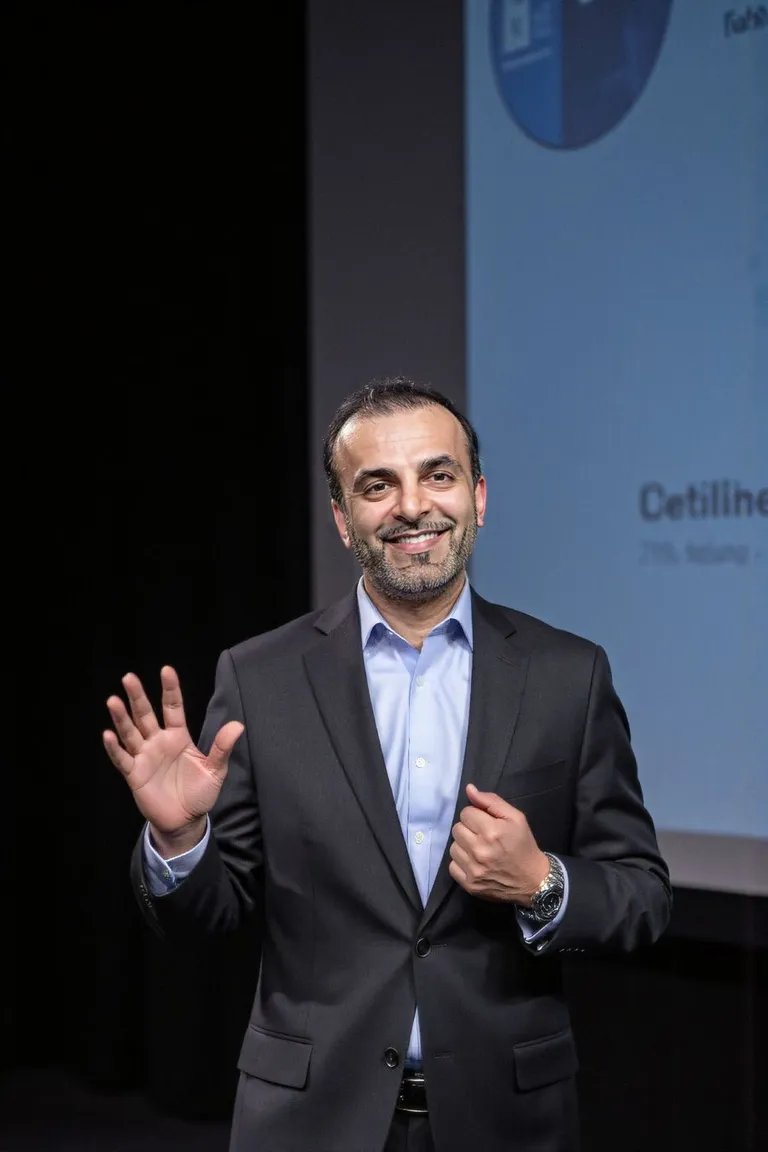
From my practice · Shariq Refai, MD, MBA, FAPA
What I tell employers who want to help
The most common mistake I see isn't stinginess, it's assuming that buying a benefit is the same as delivering care. People in real distress don't navigate phone trees well, and they abandon anything that ends in a long wait.
If you want employees to actually get help, make the path short, make the privacy real and obvious, and make sure it leads somewhere fast. That does more than adding a fifth underused program.
The short answer
HR leaders often measure mental health support by what's offered. Employees experience it by what they can actually use when they're struggling. Those are two different things, and the distance between them is where good intentions quietly fail.
The fix isn't usually a new benefit. It's removing the friction, the fear, and the delay that keep people from the benefits already in place.
The utilization gap
The numbers tell the story. In 2024, roughly 61 percent of workers had access to an employee assistance program, according to federal data. But average EAP utilization runs below 10 percent, and many programs sit lower than that. A benefit used by fewer than one in ten of the people who have it isn't doing the job it was bought to do.
Access isn't the bottleneck anymore. Use is.
Why employees don't use what's offered
Four barriers come up again and again. Awareness: people simply don't know the benefit exists or how to reach it. Stigma: they worry that using it marks them as struggling. Access friction: too many steps, phone trees, or forms between the impulse to get help and an actual appointment. And privacy fear: a belief, often mistaken, that their employer will find out.
Each of these is fixable, and each one you remove raises the odds that a struggling employee actually gets care.
What employees actually use
Usage clusters around a few features. Privacy that's real and clearly explained, so people trust that using the benefit won't follow them to work. Ease, a short path from I need help to a booked appointment, ideally without a gatekeeper. Speed, being seen in days, not weeks. And genuine clinical care, not just a referral list, for people who need evaluation, therapy, or medication.
Put simply, people use what's private, easy, fast, and real. Programs that nail those four see far higher engagement than the legacy average.
The access problem behind low use
Even motivated employees stall when the benefit routes them into the same broken system everyone else faces: long waits for a psychiatrist, narrow networks, and no clear next step. A benefit that ends in a three-month waitlist gets abandoned. Telepsychiatry and other timely-access options exist partly to solve this, by widening the pool of clinicians and cutting the wait.
If your program can't get a struggling person a real appointment quickly, its utilization number is telling you so.
Measuring what actually matters
Utilization is a start, but it's a blunt tool. Better questions: how long from first contact to a real appointment, how many people who reached out actually got care, and whether employees know the benefit exists and trust it. A program can look fine on paper and fail people in practice if the path to care is slow or unclear.
The goal isn't a higher number for its own sake. It's more of your people getting help when they need it.
Where timely, private care fits
For the employees who need more than a coaching call, evaluation, therapy, or medication management, the benefit has to connect to real clinical care that's private and reachable. Cash-pay telepsychiatry is one option some employers point people toward for its speed and confidentiality, alongside traditional coverage.
shrinkMD offers timely, private telepsychiatry, and works with people across demanding fields, which you can read about on our specialty populations and corporate psychiatry pages. The through-line for any program is the same: private, easy, fast, and real.
Key takeaways
Five things to remember
- About 61 percent of workers have access to an EAP, but average utilization is under 10 percent.
- The gap comes from low awareness, stigma, access friction, and privacy fears, not a lack of need.
- Employees actually use benefits that are genuinely private, easy to access, fast, and connected to real clinical care.
- Measure time-to-appointment and follow-through, not just whether a benefit is offered.
Go deeper across The Shrink Network
You are here: shrinkMD, the clinical care layer of The Shrink Network.
Each site in the network has one job. No matter where you enter, we help you find the next step that makes sense.
Want to understand more first?
- AnxietyResearch: Employer anxiety report
- AnxietyResearch: Anxiety and work impairment
- shrinQ: shrinQ for teams
These sites and shrinkMD are part of The Shrink Network, founded by Shariq Refai, MD.
Keep exploring
Keep reading, or take the next step
Frequently asked questions
Good questions, clear answers
Why do employees not use mental health benefits?
Mainly four reasons: they don't know the benefit exists, they fear stigma, there's too much friction to access it, and they worry it isn't private. These barriers, not a lack of need, drive low utilization.
What's a typical EAP utilization rate?
About 61 percent of workers had EAP access in 2024, but average utilization runs below 10 percent, with many programs lower. Strong programs with good communication can reach 20 percent or more.
What mental health benefits do employees actually use?
Benefits that are genuinely private, easy to access, fast to a real appointment, and connected to actual clinical care, not just a referral list. Privacy and speed matter most for engagement.
How can HR increase mental health benefit use?
Raise awareness, reduce stigma through leadership example, cut the steps between reaching out and an appointment, clearly explain privacy protections, and make sure the benefit leads to timely care rather than a long waitlist.
How should we measure a mental health benefit?
Look beyond whether it's offered. Track time from first contact to a real appointment, how many people who reached out got care, and whether employees know about and trust the benefit.
Sources
Sources and further reading
About the author
Shariq Refai, MD, MBA, FAPA
I'm a board certified psychiatrist and the founder of shrinkMD, a telepsychiatry platform built around access, continuity, and clinical rigor. My work focuses on helping people understand their mental health clearly and thoughtfully, without rushing to conclusions or shortcuts. I have clinical experience across a range of settings, including work with high-performing individuals and professional athletes, and I remain committed to care that's careful, individualized, and grounded in sound clinical judgment. shrinkMD provides psychiatric care across multiple licensed states in the US, with an emphasis on responsible telepsychiatry and long-term continuity.
Questions like these deserve a real evaluation
shrinkMD is opening first in Maine and Nebraska. Join the waitlist and we'll email you when booking opens in your state.
Join Our Waiting List