Sports & Performance · 7 min read
Why a Big-Game Loss Hurts So Much, and How to Recover Emotionally
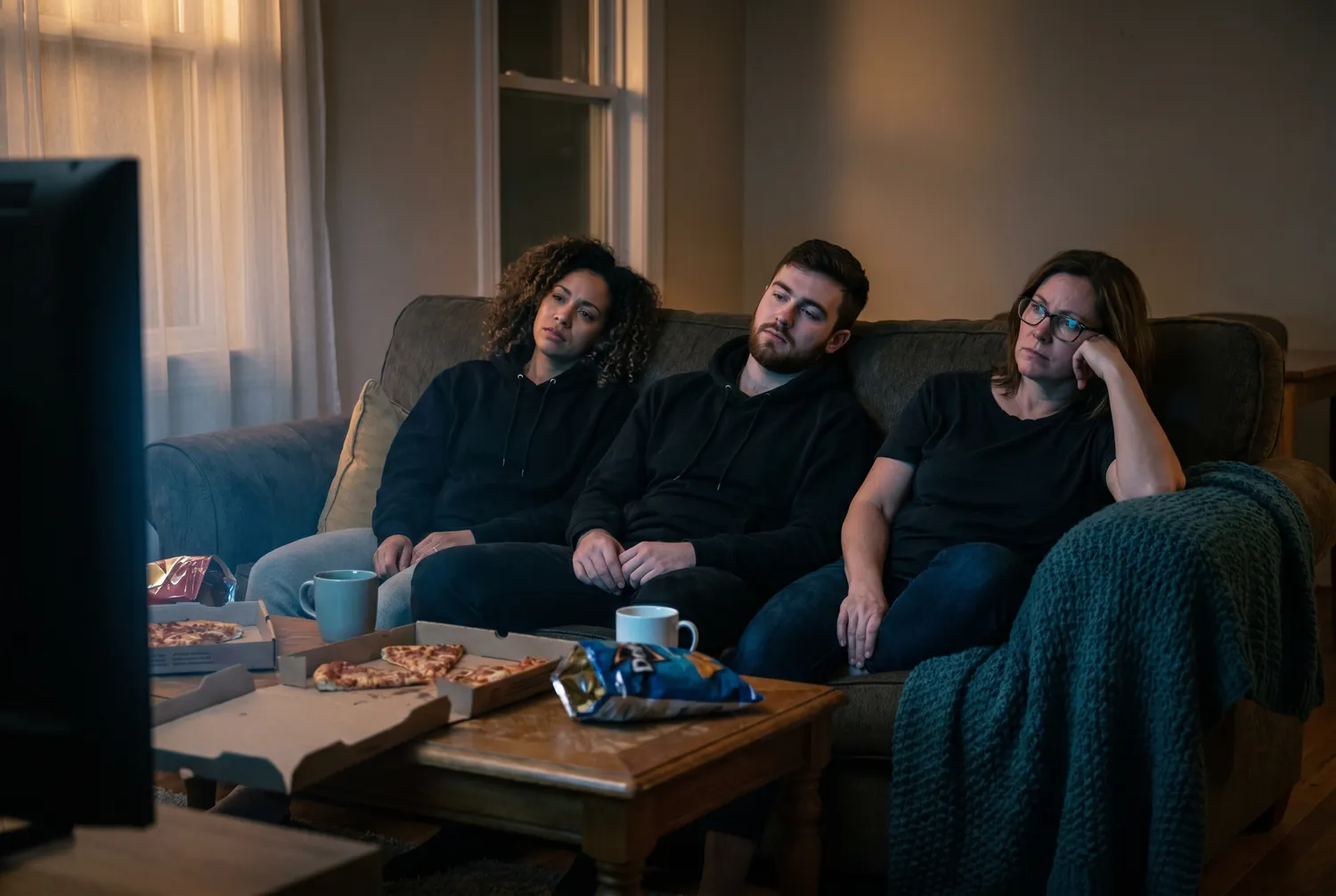
The final whistle blows, the noise drops out, and you're left with disbelief, anger, or a hollow feeling that's hard to name. If your team just lost the championship, what you're feeling isn't dramatic or immature; it's a normal human response to meaningful loss. Here's why it hits so hard and how to move through it.
Medically reviewed by Shariq Refai, MD, MBA, FAPA, board certified psychiatrist · Published February 1, 2026 · Last reviewed June 17, 2026 · Editorial policy

From my practice · Shariq Refai, MD, MBA, FAPA
Why a loss can hit harder than it should
People are sometimes embarrassed by how hard a big loss lands, and I reassure them it's more normal than they think. We bond to teams the way we bond to people, and a defeat is a real, if small, grief. The brain doesn't entirely distinguish the disappointment from other losses.
Where I pay attention is when the reaction is out of scale or sticks around: days of low mood, lost sleep, snapping at people. Usually that means the game tapped into something larger that was already there. The loss is rarely the whole story when the feeling won't fade.
Why a big-Game loss hurts more than logic says it should
A championship loss doesn't hurt because of the final score alone. It hurts because of everything that led up to it: months of anticipation, rituals, conversations, and hope collapsing into a single moment that can't be revised. From a psychological standpoint, the brain doesn't draw a sharp line between symbolic loss and personal disappointment. When something carries meaning, the emotional response is real.
You don't just lose a game. You lose the future you were picturing, the celebration that didn't happen, the closure you expected. For many fans, teams represent continuity, family tradition, and belonging across different chapters of life, which is why a painful ending can feel personal rather than purely athletic.
This is also why 'it's just a game' rarely lands in the immediate aftermath. It may be technically true, but the emotional system isn't responding to logic in that moment; it's responding to loss of meaning, momentum, and connection. The intensity doesn't mean you took it too seriously. It means you cared.
Anger, sadness, and the replay loop
For some fans, the first emotion is anger, at a referee's call, a coaching decision, or one play that won't stop looping in the mind. Anger can feel energizing at first because it gives the nervous system something to hold onto when disappointment feels overwhelming. For others the reaction is quieter: a heavy sadness, a flat empty feeling, or irritability that lingers into the next day.
The common thread is mental replay. The mind keeps returning to the same moments, as if reviewing them might change the outcome. This looping is the brain's attempt to regain a sense of control after something abrupt and disappointing. It's understandable, but left unchecked it can keep emotions stuck.
What helps is acknowledging what you feel without rehearsing it endlessly. Anger, sadness, and frustration are normal responses to meaningful loss; they aren't a character flaw. Letting them exist without turning them into a referendum on the team, the season, or yourself gives them room to move through rather than settle in.
When the loss taps into something deeper
Sometimes the intensity of the reaction isn't really about the game. A loss can act like a spotlight on stress or exhaustion that was already there. If you've been stretched thin at work, disconnected from people, or running on empty, the emotional impact can feel heavier than expected because the game was holding back feelings that had nowhere else to go.
Big events concentrate emotion. When the night ends badly, that disappointment can spill into parts of life that were already vulnerable, and what looks like sadness about a football game may actually be grief, burnout, or loneliness that hasn't had space to surface. The game didn't create the emotion; it uncovered it. Noticing that isn't overanalyzing; it's useful information about what may need care.
Practical ways to recover in the first few days
Let the emotion settle instead of suppressing it. Pushing feelings away keeps the nervous system activated, and suppressed disappointment tends to return as irritability, rumination, or poor sleep. Naming the feeling once, even something as simple as 'I'm disappointed and angry, and that's okay,' often reduces its intensity more than fighting it does.
Protect your routines. Going to bed on time, eating regular meals, and getting light movement the next morning all signal to your body that life is continuing. Limit post-game media: endless replays and hot takes keep the wound open, and stepping away for a day or two is boundary-setting, not avoidance. Choose who you process it with; talking to someone who understands without escalating is grounding, while rehashing every mistake with someone who stays bitter prolongs the stress response.
Finally, give your nervous system a clear shutdown signal: a short walk, a shower, stretching, a non-sports playlist. Then schedule one small enjoyable thing for the next day. Anticipation pulls attention forward instead of leaving it stuck in the loss.
How long is too long?
For most people, the emotional impact eases over one to three days. The first night feels heavy, the next day may carry irritability or low mood, and by the third day routines reassert themselves and the charge loosens. That gradual settling is a healthy sign that your system is recalibrating.
Pay closer attention if the reaction doesn't follow that arc: sleep disruption lasting three or more nights, ongoing withdrawal or numbness, difficulty concentrating at work, loss of interest in things that usually help you reset, or noticing that the same low mood was present even before the game. None of these mean something is wrong with you; they mean your system may be asking for care rather than more endurance.
If the weight hasn't eased after several days, or you're still replaying the game weeks later, a confidential conversation can help separate what's about the game from what belongs to the larger picture. Conditions like depression and anxiety often surface around emotionally loaded events, and catching them early matters.
What losing well teaches us
Resilience isn't the absence of disappointment; it's learning how to lose without becoming smaller or more rigid because of it. Losing well is a life skill, not a sports skill, and it shows up in relationships, work, and health. When emotions are met with patience rather than resistance, they soften instead of hardening into bitterness or self-criticism.
If the feelings stirred up by a loss linger in ways that affect your sleep, mood, or focus, having a place to talk it through helps. shrinkMD offers virtual psychiatric care for adults, including sports psychiatry, through telepsychiatry, typically as soon as availability allows of reaching out. You cared deeply; you're allowed to recover just as deeply. And if you're ever in crisis, call or text 988, or call 911.
Key takeaways
Five things to remember
- A championship loss hurts because months of anticipation, ritual, and hope collapse into one moment that can't be revised.
- Mental replay is the brain's attempt to regain control after abrupt disappointment, but left unchecked it can keep emotions stuck.
- An unexpectedly heavy reaction can signal that the game uncovered existing stress, burnout, grief, or loneliness that deserves its own attention.
- Naming the feeling once, protecting sleep and meals, and limiting post-game media for a day or two all speed emotional recovery.
- Most reactions ease over one to three days; sleep disruption past three nights, withdrawal, or numbness weeks later warrant professional attention.
Explore the Shrink Network
shrinkMD is part of a connected family of mental health resources. For more on this topic, explore:
Keep exploring
Keep reading, or take the next step
Frequently asked questions
Good questions, clear answers
Why does losing the big game hurt so much emotionally?
Because months of anticipation, hope, and identity collapse into a single moment. The brain processes meaningful symbolic loss in ways that closely resemble personal disappointment, which is why the reaction feels intense and immediate.
Is it normal to feel depressed after my team loses a championship?
Yes. Feeling sad, flat, or drained after a major loss is common and usually a short-term response to the sudden drop in excitement and connection, not clinical depression. The intensity reflects how much the experience mattered to you.
How long does post-game low mood usually last?
One to three days for most people. Irritability, disappointment, and low energy typically ease as routines return. If those feelings persist beyond several days or start affecting work or relationships, pay closer attention.
Why do I feel so angry after a loss?
Anger gives the nervous system a sense of control after something abrupt or unfair. Frustration at referees, coaches, or specific plays is part of how the brain makes sense of disappointment, and it usually settles as the emotion processes.
How do I stop replaying the game in my head?
Limit highlight and commentary exposure, name the feeling once without judgment, and gently redirect attention to something engaging. Mental replay is the brain seeking control; the urge fades as the emotion resolves.
Can a sports loss make existing stress or depression worse?
Yes. A major loss can uncover stress, burnout, or low mood that was already present once the distraction of the season disappears. That's often why a reaction feels stronger than expected.
Should I avoid sports media after a loss?
For a day or two, often yes. Continued replays and hot takes keep your nervous system activated. Stepping away is a healthy boundary that speeds recovery, not avoidance.
When should I consider professional support?
If sleep stays disrupted for several nights, low mood or irritability begins affecting work or relationships, or you feel numb or stuck weeks later. A brief telepsychiatry visit can clarify what's lingering and why; in a crisis, use 988 or 911.
Sources
Sources and further reading
About the author
Shariq Refai, MD, MBA, FAPA
I am a board certified psychiatrist and the founder of shrinkMD, a telepsychiatry platform built around access, continuity, and clinical rigor. My work focuses on helping people understand their mental health clearly and thoughtfully, without rushing to conclusions or shortcuts. I have clinical experience across a range of settings, including work with high-performing individuals and professional athletes, and I remain committed to care that is careful, individualized, and grounded in sound clinical judgment. shrinkMD provides psychiatric care across multiple licensed states in the US, with an emphasis on responsible telepsychiatry and long-term continuity.
Questions like these deserve a real evaluation
Meet a board certified psychiatrist by video, as clinician availability allows. Flat fees, no insurance games, adults 18 and over in multiple states.
Join Our Waiting List